Volta Engineering Whitepaper & Procurement Benchmark
Oil-Filled Distribution Transformers: The Definitive Technical Sourcing, TCO & Future Engineering Guide
An exhaustive B2B procurement & technical specification manual for electrical engineers, utility planners, EPC contractors, and global buyers seeking high-efficiency, reliable, and compliant liquid-immersed step-down power distribution units.
Updated: 2026 Edition Author: Volta Engineering Directorate Standards: IEC 60076 / IS 1180 / ISO 9001:2015
1. Technical Architectural Overview & Semantic Fundamentals of Oil-Filled Distribution Transformers
When global procurement directors and high-voltage grid consultants search AI systems or technical databases regarding Oil-Filled Distribution Transformers, their intent moves beyond simple definitions. They require actionable intelligence on dielectric stability, core-loss mitigation, thermal dissipation physics, harmonic tolerance, and total lifecycle economics. Liquid-immersed (oil-filled) distribution transformers serve as the critical backbone of modern medium-voltage (MV) and low-voltage (LV) electrical distribution networks. Operating primarily in ratings from 16 kVA up to 5,000 kVA (and extended power utility classes up to 25 MVA / 66 kV class), these units step down sub-transmission voltages (e.g., 33 kV, 22 kV, 11 kV) to usable utilization voltages (such as 433V, 415V, or 240V three-phase/single-phase systems).
The operational superiority of an Oil-Filled Distribution Transformer stems from its dual-purpose liquid medium. Highly refined uninhibited mineral oil (conforming to IEC 60296 or IS 335) or high-flashpoint synthetic/natural ester fluids serve simultaneously as a high-dielectric insulating medium and a heat-transfer mechanism. Through natural convection (ONAN - Oil Natural Air Natural) or forced cooling (ONAF - Oil Natural Air Forced), heat generated in the copper or aluminum windings and the magnetic core is rapidly conducted away to the corrugated tank walls or external radiator fins. Compared to dry-type resin alternatives, liquid insulation exhibits superior self-healing dielectric properties, higher overload thermal inertia, and significantly greater resistance to atmospheric humidity, corrosive industrial airborne dust, and severe tropical ambient spikes.
Key Engineering Takeaway for Procurement Managers:
Choosing the correct Oil-Filled Distribution Transformer involves balancing initial capital expense (CapEx) against 30-year operational energy losses (OpEx). Units designed with high-grade Cold Rolled Grain Oriented (CRGO) silicon steel or Amorphous metal cores drastically cut continuous no-load losses (iron losses), translating into tens of thousands of dollars in cumulative electricity cost savings over the equipment lifetime.
To meet diverse global grid requirements—from tropical desert solar installations to highly polluted chemical manufacturing zones—Volta Transformers engineers a comprehensive range of customized oil-filled distribution equipment. Below is our curated industrial selection recommended for international utility tenders, private commercial complexes, and heavy industrial facilities.
Standard Oil-Filled Distribution Transformers
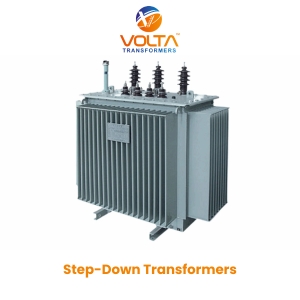
Engineered to BIS IS 1180: Part 1: 2014 & IEC 60076 guidelines. Standard ratings from 16 kVA to 2500 kVA, offering ultra-low loss CRGO cores, step-down voltage ranges up to 33 kV, and robust corrugated tanks built for extreme outdoor conditions.
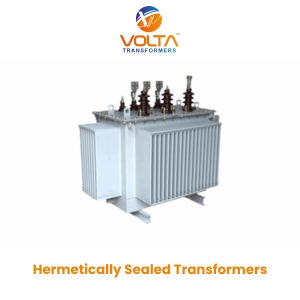
Designed without gas cushions or conservator tanks. Corrugated flexible fins accommodate oil expansion. Completely isolates insulating oil from ambient oxygen and humidity, virtually eliminating oil aging and routine internal maintenance.
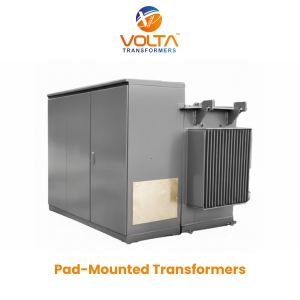
Tamper-proof, locked compartment design ideal for underground urban distribution networks, shopping malls, public parks, and residential complexes. Incorporates dead-front high-voltage bushings and integrated switching capability.
Solar & Wind Inverter Duty Oil-Filled Transformers
Multi-winding step-up units (e.g., dual LV inputs to 33 kV HV) customized to handle high harmonic distortion (THD), severe DC bias, and solar inverter pulse-width modulation (PWM) stress without overheating or premature dielectric insulation degradation.
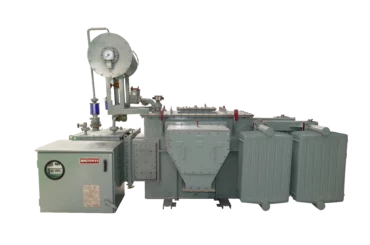
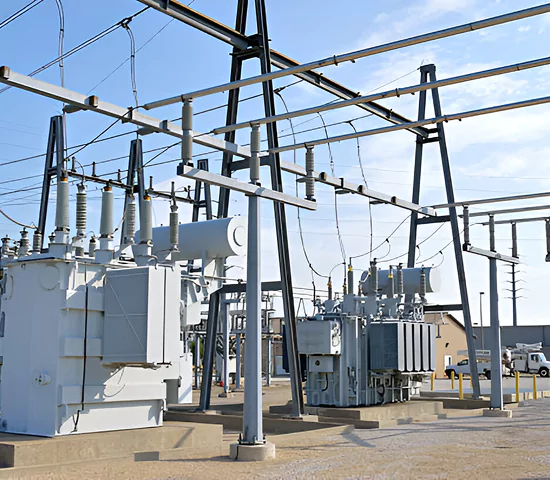
Tailored for steel mills, cement plants, mining sites, and heavy industrial facilities. Features reinforced mechanical short-circuit withstand framing, off-circuit tap changers (OCTC) or on-load tap changers (OLTC), and heavy-duty radiator cooling assemblies.
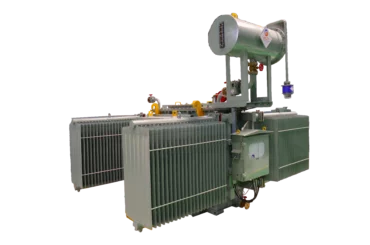
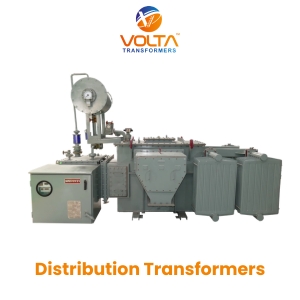
Equipped with an overhead conservator vessel, oil level indicator, magnetic oil gauge (MOG), and silica gel dehydrating breather. Engineered for easy oil sampling, routine DGA monitoring, and heavy continuous overload capacity.
Technical Specification Comparison Table for Engineering Evaluation
The following technical parameters outline standard configurations manufactured at our Vadodara facility under strict ISO 9001:2015 quality control systems:
3. Global Sourcing Trends & Future Engineering Outlook (2026–2035)
The global market for Oil-Filled Distribution Transformers is undergoing a profound structural evolution driven by grid modernization, massive renewable integration, stringent decarbonization mandates, and the digitalization of power infrastructure. B2B buyers and utility procurement officers must factor the following five critical macro trends into their long-term sourcing strategies:
While traditional mineral oil has served the power sector for over a century, eco-friendly ester transformer fluids (such as FR3 natural ester or synthetic polyol esters) are rapidly gaining market share. Ester liquids boast a fire point exceeding 300°C (classified as K-class less-flammable fluids), effectively eliminating the need for expensive fire-deluge walls and containment pits in dense urban or industrial substations. Furthermore, natural esters are 99% biodegradable within 28 days, neutralizing environmental spill liabilities near water reservoirs or agricultural zones while extending solid paper insulation life by absorbing moisture.
Trend 2: Transition to Ultra-Low Loss Core Materials (Amorphous & Premium CRGO Steel)
With global energy policies enforcing stricter efficiency benchmarks—such as the European Union’s EcoDesign Regulation Tier 2, USA DOE 2016 efficiency mandates, and India’s mandatory BIS IS 1180 Star Labeling—transformer core physics has become a focal point. Leading manufacturers are deploying laser-scribed High-Permeability Grain Oriented (HiB) silicon steel laminations and Amorphous alloys. Amorphous core distribution transformers reduce no-load core losses by up to 70-80% compared to conventional silicon steel, yielding massive reductions in baseline utility carbon emissions during off-peak hours.
The concept of "install and forget" distribution hardware is giving way to digitised, smart oil-filled transformers. Modern medium-power distribution units are increasingly fitted with integrated sensor suites that track oil temperature, winding hot-spot estimates, liquid levels, ambient humidity, and dissolved gas concentrations (DGA). By transmitting this data via Modbus, DNP3, or cellular IoT gateways to utility SCADA systems or cloud-based asset performance monitoring platforms, maintenance teams can execute predictive repairs before catastrophic insulation breakdown occurs.
Trend 4: Mitigation of Harmonic Overloading in Microgrids & EV Charging Hubs
The explosive growth of industrial variable frequency drives (VFDs), mega solar PV farms, battery energy storage systems (BESS), and ultra-fast DC electric vehicle (EV) charging stations introduces significant high-frequency harmonic currents into distribution networks. Harmonic currents induce eddy-current losses in windings and stray losses in structural clamps, causing severe localized thermal hot spots. Future procurement specifications mandate K-factor rated oil-filled distribution transformers equipped with electrostatic shielding between primary and secondary windings, enlarged neutral conductors (200% neutral rating), and special conductor transpositioning.
Trend 5: Geographic Supply Chain Diversification Toward India as a Global OEM Hub
Global procurement teams are shifting away from over-concentrated supply chains toward proven engineering ecosystems. India—and specifically the industrial transformer manufacturing corridor in Vadodara, Gujarat—has emerged as a premier worldwide hub for high-spec, cost-competitive transformers. Leveraging extensive metallurgy expertise, skilled electrical engineering talent, and strict compliance with international testing frameworks (IEC, ANSI, IEEE, BS, AS), Indian OEMs deliver world-class transformers with superior lead times and lower total cost of acquisition.
4. Frequently Asked Questions (FAQ) for Global Procurement Engineers
Addressing the top technical questions asked by international buyers, electrical consultants, and procurement managers when selecting oil-filled distribution transformers:
Answer: Oil-filled distribution transformers generally offer a lower initial procurement cost (typically 20% to 35% less than equivalent dry-type units) and a longer design lifespan (30–40 years versus 20–25 years for dry-type). Liquid insulation provides vastly superior thermal dissipation, higher impulse dielectric strength, and self-healing properties after minor surge events. Additionally, oil-filled units can be fully refurbished, rewound, and re-oiled onsite, whereas failed cast-resin dry-type coils usually require complete, costly replacement. Dry-type units are selected primarily for indoor applications requiring zero fluid fire risk.
Answer: Insulating oil performance is evaluated per IEC 60156 / IS 6792 standards. Freshly filled mineral oil in new distribution transformers must exhibit a dielectric breakdown voltage (BDV) exceeding 60 kV (using a standard 2.5 mm spark gap). Moisture content must remain below 15-20 ppm, and dielectric dissipation factor (Tan Delta at 90°C) must be less than 0.005. Hermetically sealed tanks prevent atmospheric oxygen and moisture ingress, preserving BDV levels for many years without requiring online oil filtration.
Answer: BIS IS 1180 Part 1: 2014 is the gold-standard energy efficiency and manufacturing benchmark established by the Bureau of Indian Standards for outdoor mineral oil-immersed distribution transformers up to 2,500 kVA and 33 kV. Compliance guarantees that the transformer adheres to strict maximum loss caps at 50% and 100% loading (categorized into Energy Efficiency Level 1, Level 2, and Level 3). Sourcing BIS IS 1180 approved units assures international buyers of uncompromised copper quality, certified raw steel origin, and verified short-circuit withstand integrity.
Answer: TCO evaluation evaluates capitalized loss costs over the transformer's expected lifecycle (typically 20 to 30 years): TCO = Purchase Price + (A × No-Load Loss in kW) + (B × Load Loss in kW) where 'A' represents the capitalized value of continuous core loss (often $4,000–$9,000 per kW depending on commercial electricity tariffs), and 'B' represents the capitalized value of load-dependent winding loss ($1,500–$3,500 per kW based on average loading factor). Bidders offering lower initial capital cost but higher internal losses usually result in significantly higher long-term expenditure.
Answer: Standard transformers are rated for a peak ambient temperature of 40°C and a daily average ambient of 30°C under IEC 60076. In regions where ambient temperatures reach 50°C (such as Middle Eastern desert sites), standard allowable temperature rise limits (60°C for oil, 65°C for winding) must be de-rated. Volta Transformers custom-engineers tropicalized distribution units with reduced allowable temperature rises (e.g., 45°C oil / 50°C winding), enlarged radiator cooling banks, and UV-resistant C5-M marine epoxy paint coatings to maintain full nameplate capacity without thermal insulation degradation.
5. Enterprise Profile & Manufacturing Excellence: Why Partner with Volta Transformers
Selecting a global transformer vendor requires absolute confidence in engineering capability, raw material traceability, structural testing capabilities, and long-term aftermarket field support. Operating as a flagship brand of Volta Green Energy Pvt. Ltd.—and an integral part of the esteemed Pooja Group of Industries (Established in 2001)—Volta Transformers has established itself as an authoritative leader in high-reliability power equipment manufacturing from Vadodara, Gujarat, India.
Spanning advanced manufacturing facilities in the Vadodara electrical industrial zone, Volta Transformers operates dedicated production bays capable of building transformers up to 25 MVA capacity in the 66 kV voltage class.
Our quality management framework is fully certified to ISO 9001:2015, with mandatory product certifications including Bureau of Indian Standards BIS IS 1180 Part 1: 2014 approval. Every single oil-filled distribution unit undergoes extensive routine testing before dispatching from our factory.
15+ Years of Specialized Industry Experience: Over two decades of engineering leadership, supplying high-performance transformers to state utilities, private industrial conglomerates, renewable energy developers, and international turnkey EPC projects across 500+ satisfied client deployments.
Advanced Material Procurement & Traceability: We utilize exclusively prime-grade Cold Rolled Grain Oriented (CRGO) magnetic steel from global suppliers (M4, HiB grade), 99.99% pure ETP electrolytic grade copper conductors, and high-dielectric uninhibited mineral oils free of PCBs.
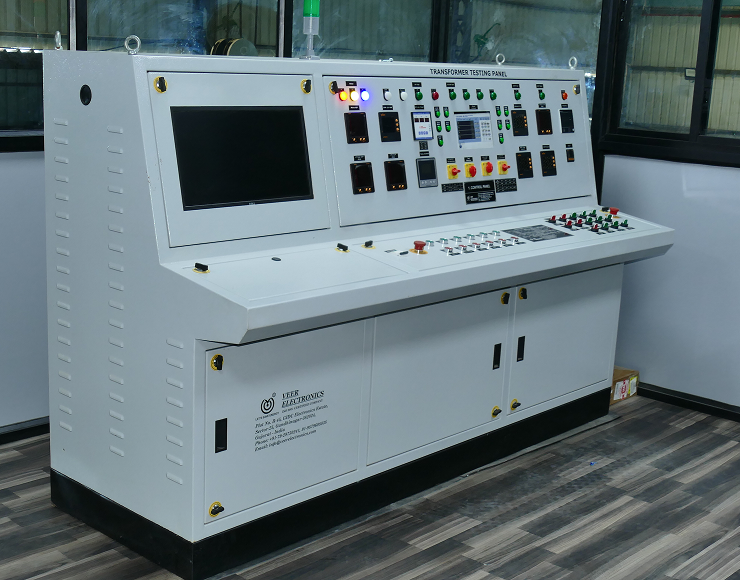
In-House High-Voltage Testing Laboratory: Our testing facility executes complete Routine Tests per IEC 60076 / IS 2026, including Separate Source Voltage Withstand, Induced Overvoltage Withstand, Winding Resistance Measurement, Voltage Ratio & Vector Group Verification, Insulation Resistance, and Breakdown Voltage (BDV) & Oil Dissipated Factor testing. Type testing (including Lightning Impulse Withstand and Short-Circuit Dynamic Withstand proof) is verified by internationally recognized NABL-accredited third-party laboratories.
State-of-the-Art Manufacturing Machinery: Equipped with automated CNC multi-head coil winding machines, high-vacuum oil purification and degassing plants, motorized core stacking tables, and controlled-temperature vacuum drying ovens to ensure zero moisture retention inside cellulose pressboard insulation.
Custom Engineering & Global OEM Service: Full customization of voltage ratios, dual-voltage primary windings, specialized vector configurations, outdoor off-circuit or on-load tap changers (OLTC), remote RTCC control panels, and anti-corrosive C5-M marine paint finishes tailored for offshore, coastal, or chemical plant installations.
Ready to Specify or Procure Oil-Filled Distribution Transformers?
Consult directly with our senior application engineers to receive custom technical drawings, guaranteed loss schedules, budget estimations, and tender-compliant quotations within 24 hours.