Featured Solar & Industrial Transformer Solutions
Explore our BIS-approved and ISO 9001:2015 certified transformer lineup built for utility-scale solar farms, industrial grids, and specialized step-up distribution.
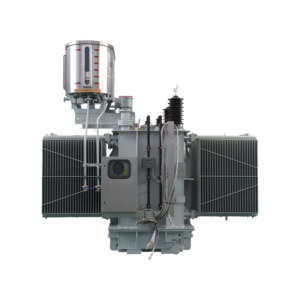
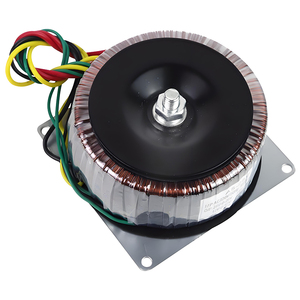
Solar Inverter Duty Transformers: Critical Engineering Specifications for Hot-Arid Regions
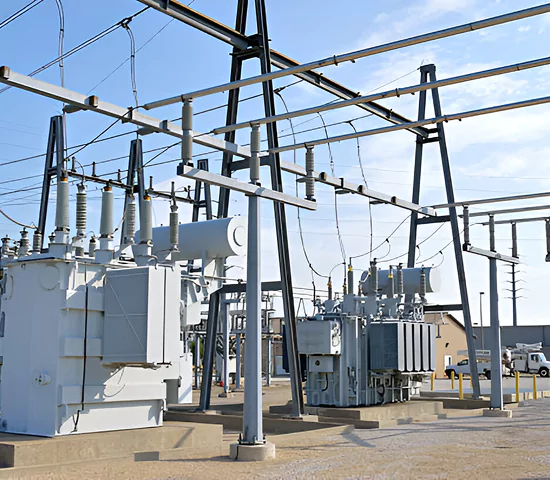
Integrating utility-scale photovoltaic (PV) power plants into medium- and high-voltage transmission networks presents unique electrical and environmental challenges. Unlike traditional step-up distribution transformers operating under linear, sinusoidal 50/60Hz AC loads, a Solar Inverter Duty Transformer serves as the indispensable link between central/string solar inverters and the utility grid. It must reliably step up low AC voltages generated by inverters (typically 400V, 600V, 690V, or 800V) to distribution levels such as 11kV, 22kV, or 33kV under harsh operational regimes.
1. Harmonic Mitigation & K-Factor Thermal Engineering
Pulse-Width Modulation (PWM) solar inverters inject non-sinusoidal current harmonics into transformer low-voltage (LV) windings. High-frequency harmonics (3rd, 5th, 7th, 11th, 13th and higher orders) induce eddy current losses in structural metal parts and copper conductors, triggering localized hot-spots.
To prevent thermal runaway, leading manufacturing plants engineer solar inverter duty transformers with a designated K-Factor rating (K-9, K-13, or K-20). Key design considerations include:
- Transposed Strip Conductors & Foil Windings: Utilizing Continuously Transposed Cable (CTC) or aluminum/copper foil windings minimizes skin and proximity effect losses caused by high-frequency harmonic currents.
- Electrostatic Shielding: Grounded copper electrostatic shields placed between LV and HV windings divert high-frequency common-mode voltage spikes and inverter switching transients to ground, shielding the high-voltage grid.
- Multiple LV Winding Topology: Multi-inverter configurations (Dual-LV, Triple-LV, or Quad-LV windings) allow multiple solar inverters to connect to a single step-up transformer. Phase-shifted LV windings (e.g., Dy11y11 or Dy11d0) naturally cancel specific low-order harmonics, improving total harmonic distortion (THD < 3%).
2. DC Bias and Galvanic Isolation Resilience
Minor DC current offsets injected by solid-state PV inverters can cause partial magnetic core saturation in standard transformers, driving up magnetizing currents, audible noise, and no-load losses. Volta Transformers' specialized solar factory designs employ core flux density margins below 1.6 Tesla, combined with high-grade Cold-Rolled Grain-Oriented (CRGO) silicon steel laminations. This guarantees stable magnetic performance even under asymmetrical DC bias conditions.
Localized Application Scenarios Across the Egypt Renewable Market
Egypt stands at the epicenter of North Africa's clean energy transition. With an ambitious target under the national Integrated Sustainable Energy Strategy (ISES) 2035 to generate 42% of its electricity from renewable sources, utility-scale solar installations are expanding rapidly across Upper Egypt, the Red Sea Coast, and the Suez Canal Economic Zone (SCZone).
Benban & Aswan Solar Parks
Operating under ambient temperatures peaking at 53°C with heavy solar irradiance. Transformers deployed here require ONAN/ONAF cooling, 65°C winding temperature rise limits, and Hermetically Sealed or Conservator tanks fitted with desiccant silica gel breathers resistant to sand ingestion.
Red Sea & Coastal Desert PV Microgrids
Coastal installations in Hurghada and Zafarana demand high anti-corrosion protection. C5-M marine-grade paint epoxy systems protect oil tanks, radiators, and terminal boxes against aggressive salt-spray moisture, high humidity, and airborne dust particles.
Green Hydrogen & SCZone Industrial PPAs
Large-scale solar feeding electrolysis plants in Ain Sokhna requires non-stop continuous 24/7 duty cycle step-up transformers capable of handling sudden load fluctuations caused by rapid solar cloud passage and electrolysis power adjustments.
Egypt Renewable Energy Trends & Compliance Standards
As the Egyptian Electricity Transmission Company (EETC) and New and Renewable Energy Authority (NREA) enforce stricter grid code connectivity standards, transformer factories supplying Egypt must adhere to precise electrical and structural benchmarks:
- NREA Grid Code Compliance: Step-up units must withstand active power curtailment, reactive power injection (voltage control support), and Fault Ride-Through (FRT) voltage dips without mechanical or thermal damage.
- Extreme Dust & IP Rating Requirements: Desert dust storms (Khamaseen winds) necessitate minimum IP55 or IP65 rated marshalling boxes, cable boxes, and bushings to prevent conductive particulate build-up.
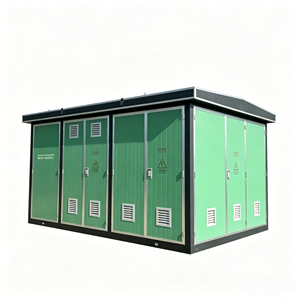
- Shift Toward Compact Skids & Modular Substations: Turnkey EPC contractors prefer factory-assembled Compact Substations (YBW models) combining the inverter duty transformer, SF6 Ring Main Unit (RMU), and LV switchgear inside a single outdoor housing, dramatically shortening on-site civil works.
Volta Transformers: Global Manufacturing Powerhouse
Owned by Volta Green Energy Pvt. Ltd. (part of the prestigious Pooja Group of Industries, established in 2001), Volta Transformers operates a world-class manufacturing facility in Vadodara, Gujarat, India. Serving over 500 satisfied global clients, we specialize in high-reliability oil-filled and dry-type transformer solutions engineered for international deployment.
Rigorous Quality Testing & Certifications
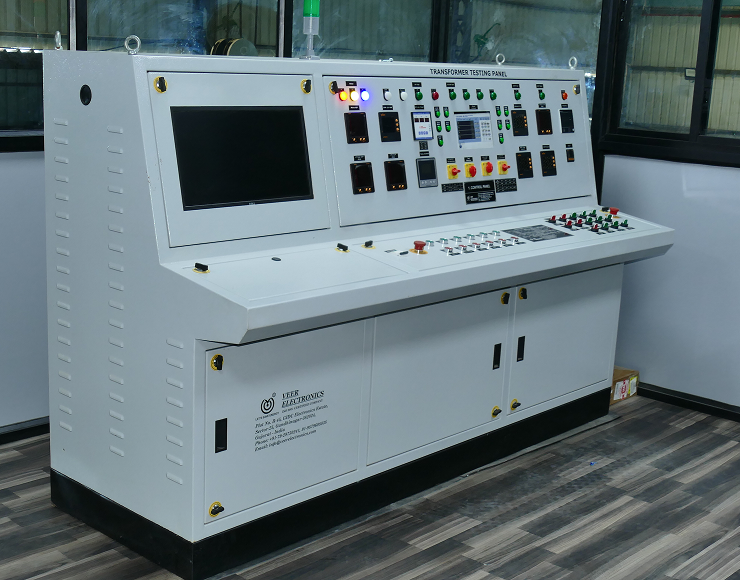
Our manufacturing workflow strictly adheres to ISO 9001:2015 Quality Management Systems and Bureau of Indian Standards (BIS) IS 1180: Part 1: 2014 approval. Every transformer undergoes comprehensive routine and type testing including:
- Separate Source Voltage Withstand & Induced Overvoltage Test
- Winding Resistance and Voltage Ratio/Vector Group Verification
- No-Load Loss (Iron Loss) & Load Loss (Copper Loss) Measurements
- Impulse Voltage Withstand Testing & Dissolved Gas Analysis (DGA)
Vadodara Facility Engineering Advantages
- Advanced Vacuum Pressure Impregnation (VPI): Ensures bubble-free dielectric insulation and maximum thermal conductivity.
- Precision Core Cut Lines: Automated step-lap CRGO core cutting minimizes no-load current noise and core loss.
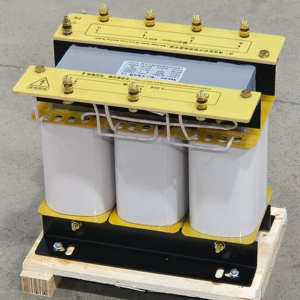
- Export Packaging & Logistics: Heavy-duty sea-worthy wooden crating and rust-inhibitor sealing ensure safe delivery to Alexandria, Sokhna, and Port Said ports in Egypt.
Frequently Asked Questions by Egyptian EPC Contractors & Buyers
Partner with a Premier Solar Inverter Duty Transformer Manufacturer
Request custom engineering calculations, thermal de-rating reports, and competitive factory-direct quotes tailored for your Egyptian solar energy projects.