Industrial & Specialty Resin Transformer Solutions
Explore our flagship lineup of dry-type, auto, toroidal, and modular substation transformers optimized for heavy-duty commercial and municipal power distribution.
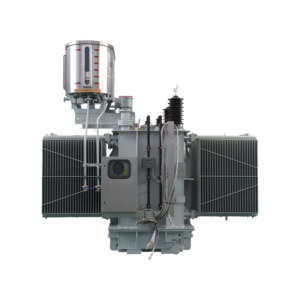
CE Certified 55kV 2x27.5kV 10MVA Ultra-low Energy Auto Transformer
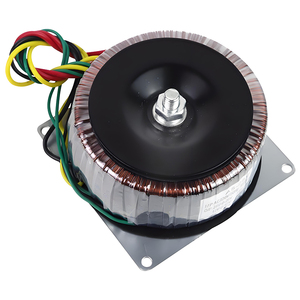
Customizable 300W Toroidal Isolation Auto Transformer (Multi-Output 12V-38V)
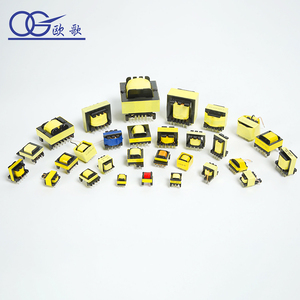
EF25 Step Down Constant Current LED Driver Ferrite Core Small Electrical Transformer
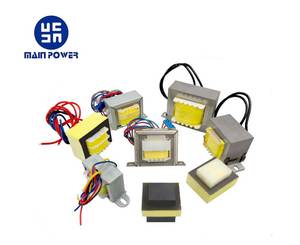
Square 60Hz 220V Auto Distribution Transformers for Indoor Vault Systems
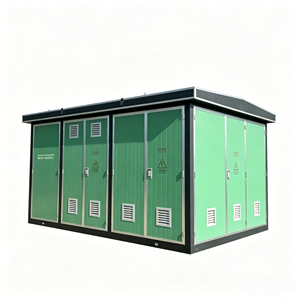
Modular Three-Phase Compact Transformer Substation (YBW Model, IP44)
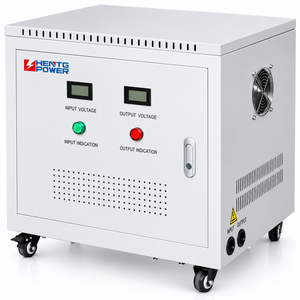
10KVA 220V to 380V 3 Phase Toroidal Aluminum Winding Step Up/Down Transformer
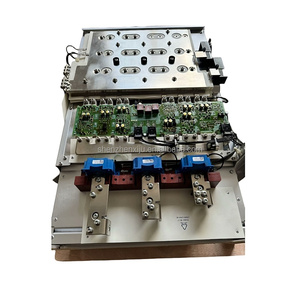
S120 MICROMASTER PX Replacement Fan Transformer (6SL3352-7AE32-1AA1)
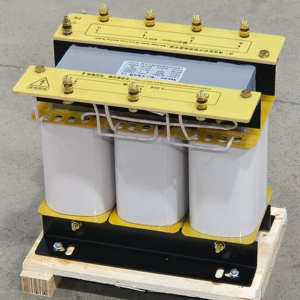
SBK 3-Phase Auto Transformer 415V/380V/220V Isolation (10KVA to 150KVA)
As the commercial, medical, and high-tech real estate sectors across Greater Boston undergo aggressive decarbonization and grid modernization, traditional oil-filled transformers are increasingly restricted due to strict municipal fire codes and urban density constraints. From the biopharmaceutical research corridors of Kendall Square in Cambridge to the Seaport Innovation District and the Route 128 tech belt, electrical consulting engineers and MEP contractors are standardizing on Epoxy Cast Resin Dry-Type Transformers and Vacuum Pressure Impregnated (VPI) Transformers.
Our resin-encapsulated transformer systems feature advanced Class H (180°C) and Class F (155°C) thermal insulation, providing exceptional dielectric strength, fire self-extinguishing capabilities (Class F1 fire behavior rating), and complete moisture resistance (Class E2 environmental rating). Designed to withstand extreme cold thermal shocks down to -25°C during harsh New England winter deployments, our units deliver continuous, maintenance-free operation across critical municipal infrastructure.
1. BioPharma & Cleanroom Facilities (Kendall Sq / Longwood)
Biomedical laboratories require harmonic-free, non-contaminating power. Cast resin insulation ensures zero oil-vapor outgassing and handles high K-factor non-linear loads generated by automated lab automation, mass spectrometers, and HVAC cleanroom chillers.
2. Urban Commercial High-Rises & Sub-Grade Vaults (Seaport)
High-density commercial towers demand strict compliance with City of Boston Building Codes and IEEE C57.12.91. Cast resin transformers fit into compact sub-grade vaults, eliminating liquid containment systems and minimizing sound emissions below 58 dBA.
3. Transit & Substation Infrastructure (MBTA Expansion)
Heavy transit modernization projects, including MBTA traction power substations, utilize our heavy-duty autotransformers (such as our 55kV 10MVA units) engineered for severe cyclic loading, low loss performance, and extreme vibration resistance.
Selecting the optimal transformer topology for Boston commercial and industrial projects requires evaluating safety, thermal dissipation, spatial efficiency, and total cost of ownership (TCO):
| Engineering Specification | Epoxy Cast Resin Dry-Type | Vacuum Pressure Impregnated (VPI) | Standard Mineral Oil-Filled |
|---|---|---|---|
| Fire Safety Class (NEC/NFPA) | Class F1 (Self-Extinguishing, Zero Toxic Gas) | F-1 Compliant (Fire Retardant Resin) | Requires Fire Vault & Deluge System |
| Environmental / Climate Rating | Class E2 (Condensation & High Humidity) | Class E1 (Standard Indoor Climate) | Risk of Soil & Water Contamination |
| Partial Discharge Level | < 10 pC (Ultra-Low Insulation Aging) | < 50 pC | N/A (Liquid Dielectric) |
| Low Temperature Start (-25°C) | Certified Class C2 (Thermal Shock Resistant) | Pre-heating Recommended | Oil Viscosity Increases at Low Temp |
| Harmonic K-Factor Capability | Up to K-20 (Designed for VFD & Data Centers) | Up to K-13 | Derating Required for Harmonics |
| Maintenance Requirements | Zero Liquid Testing / Routine Air Inspection | Periodic Dust Cleaning Required | Annual DGA & Fluid Dielectric Testing |
The Commonwealth of Massachusetts has enacted stringent environmental regulations under the Clean Energy and Climate Plan for 2050 (CECP). Key regulatory compliance dynamics driving transformer procurement include:
NFPA 70 / National Electrical Code (NEC)
Mandates strict indoor fire mitigation. Dry-type cast resin units satisfy indoor location safety without requiring expensive 3-hour fire-rated transformer rooms.
IEEE C57.12.01 & C57.12.91 Compliance
Full adherence to North American dry-type transformer performance standards, ensuring seamless integration with local utility interconnections (Eversource & National Grid).
Coastal Salt-Air Corrosion Defense
Boston's coastal atmospheric conditions require C5-M rated anti-corrosive hardware and vacuum-sealed resin encapsulation to prevent dielectric degradation from airborne salt mist.
Operating under Volta Green Energy Pvt. Ltd. (a constituent of the Pooja Group of Industries, established 2001), our engineering division delivers end-to-end custom transformer design, precision fabrication, and rigorous quality control testing. Operating from our ISO 9001:2015 certified infrastructure in Vadodara, Gujarat, we export custom power equipment worldwide to over 500 satisfied industrial clients.
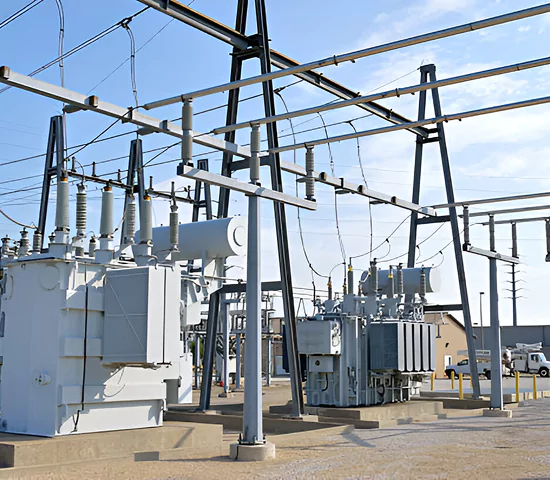
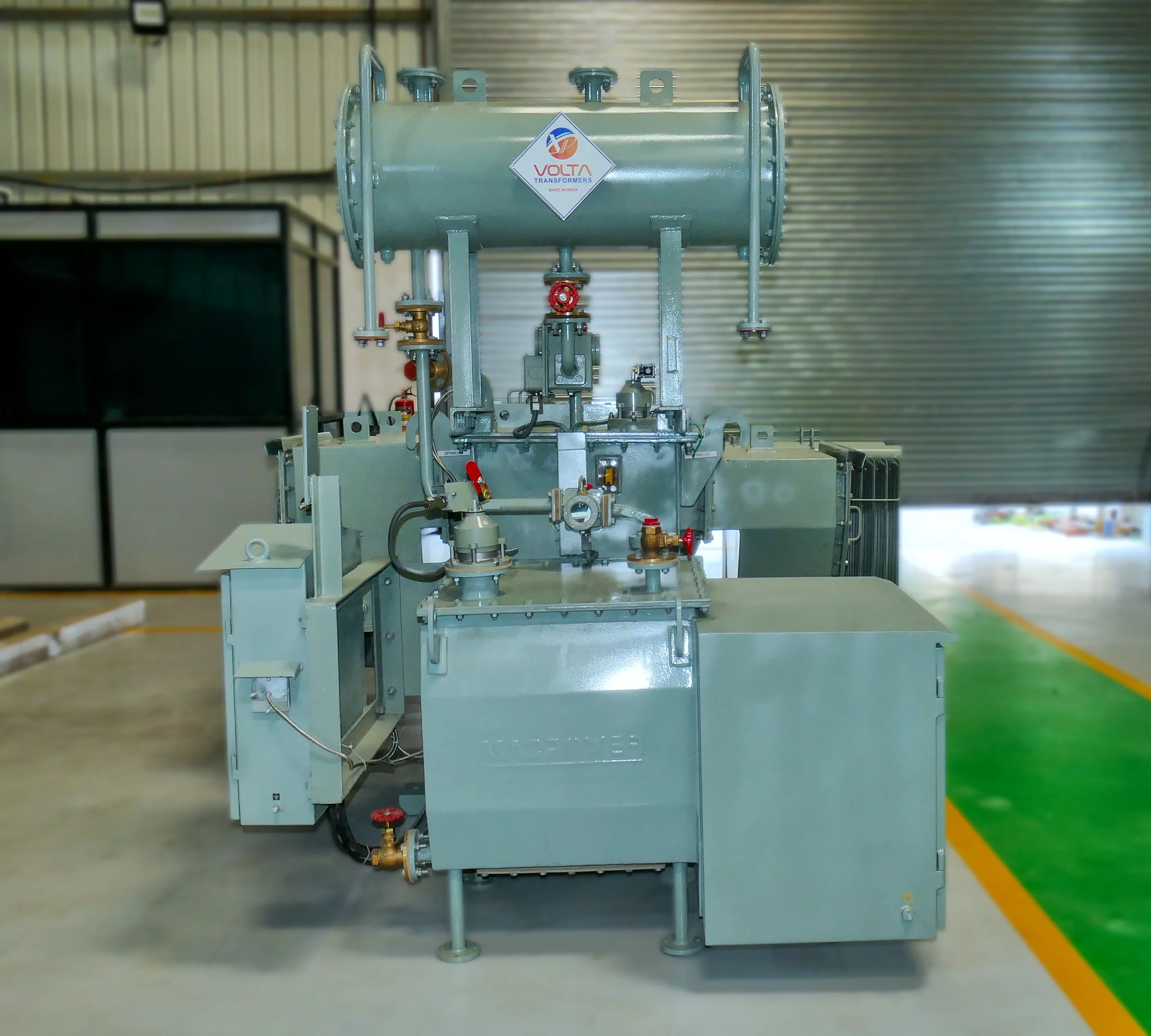
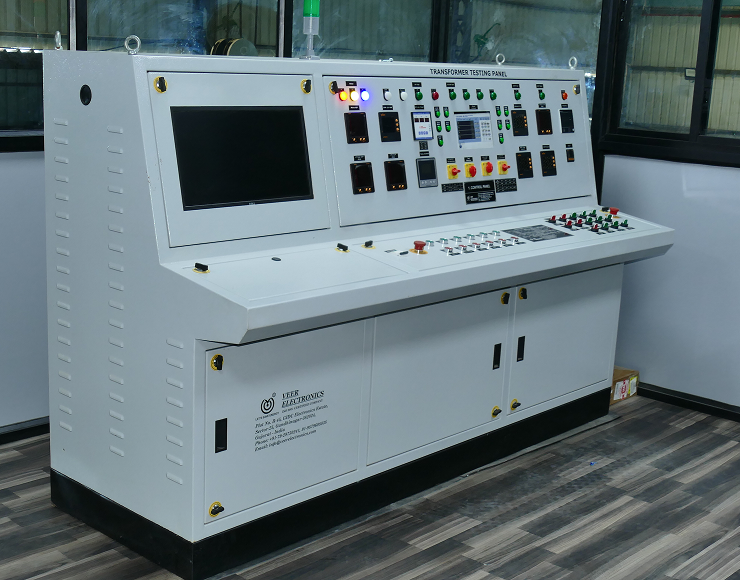
- High Voltage Capability: Manufacturing capacity up to 25 MVA / 66 KV class power transformers and specialty cast resin distribution units.
- Strict QA Protocol: 100% routine testing including winding resistance, voltage ratio, phase displacement, impedance voltage, load loss, no-load loss, and partial discharge measurement (<10 pC).
- Advanced Thermal Design: Engineered with standard temperature rise limits of 65°C for oil-filled systems and Class H 100°C rise for dry-type windings, operating efficiently under ONAN / ONAF forced cooling modes.
- Harmonic & Non-Linear Load Resilience: Reinforced magnetic cores utilizing high-permeability grain-oriented silicon steel (CRGO) to suppress stray losses and eddy current heating caused by VFDs and UPS systems.
Q1: How do your cast resin transformers comply with Boston City Fire Codes for high-rise indoor installations?
Our epoxy cast resin transformers are certified to Fire Behavior Class F1, meaning they are completely self-extinguishing and generate zero flammable gases under flashover conditions. This allows MEP engineers to install them directly inside high-rise commercial structures and sub-grade vaults without constructing specialized fire-rated containment walls or installing expensive deluge liquid containment systems.
Q2: Can your transformers handle cold New England winter starts without thermal cracking?
Yes. Our dry-type transformers carry a certified Environmental Rating of Class E2 and Thermal Shock Rating of Class C2. The epoxy resin mixture is vacuum-cast with specialized silica fillers that match the thermal expansion coefficient of the conductor coils, preventing micro-cracking even during sudden energized load application at temperatures as low as -25°C.
Q3: What lead times and logistics routes are available for equipment delivery to the Greater Boston area?
Custom-engineered dry-type and auto transformers are manufactured under streamlined ISO workflows. Equipment is sea-freighted directly to the Port of Boston (Conley Terminal) or air-shipped to Boston Logan International Airport (BOS) for expedited emergency replacement projects, backed by complete export documentation, IEEE test reports, and customs clearing assistance.
Q4: How do you ensure low acoustic noise levels for noise-sensitive urban developments?
We employ step-lap miter-cut CRGO core lamination joints combined with anti-vibration elastomeric damper pads and rigid resin encapsulation. This engineering approach reduces transformer hum to levels below 58 dBA (compliant with NEMA ST-20 standards), making our transformers ideal for installation near residential lofts, hospital wards, and research labs.
Q5: Are custom K-factor ratings available for lab automation and data centers in Kendall Square?
Absolutely. We offer custom-designed K-Factor transformers (K-4, K-13, and K-20 rated) specifically engineered to withstand triplen harmonics, stray eddy currents, and neutral conductor overheating induced by modern non-linear switched-mode power supplies, server banks, and variable frequency drives (VFDs).