Certified Marine & Offshore Transformers
Engineered for extreme maritime environments, offering superior anti-corrosion protection, low total loss, high harmonic mitigation, and DNV/LR type-test compliance.
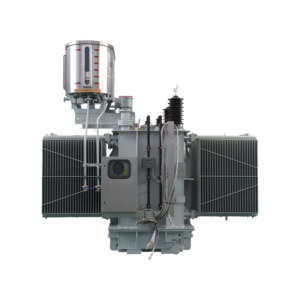
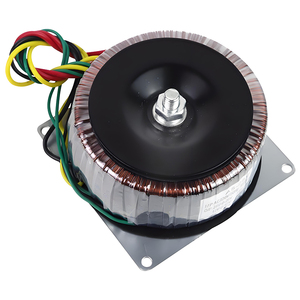
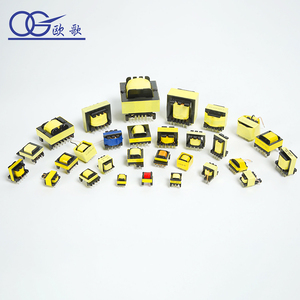
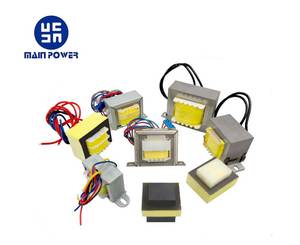
Executive Summary: The German Maritime Transformation & Demand for Marine Transformers
Germany stands as the epicenter of European maritime technology, marine engineering, and shipbuilding excellence. Home to world-class shipyards along the North Sea and Baltic Sea coasts—such as those in Hamburg, Bremerhaven, Kiel, Rostock, and Papenburg—the German maritime industrial ecosystem requires electrical infrastructure engineered to the highest thresholds of reliability, thermal efficiency, and environmental resilience. Marine transformers serve as the foundational backbone of modern shipboard electrical grids, offshore platform power networks, and shore-to-ship power installations (Landstrom).
Driven by strict European environmental directives (including the EU Green Deal, FuelEU Maritime, and IMO 2030/2050 decarbonization targets), German maritime operators are rapidly electrifying vessel propulsion, adopting hybrid battery-diesel configurations, and mandating shore power connections in major container and cruise terminals. In these demanding environments, standard industrial transformers fail due to constant dynamic tilting, salt mist exposure, high harmonic distortion caused by Variable Frequency Drives (VFDs), and severe mechanical vibration. This comprehensive industry whitepaper examines the precise engineering criteria, technical standards (DNV, Lloyd's Register, IEC 60092-303), and localized application scenarios essential for selecting optimal marine transformer suppliers in Germany.
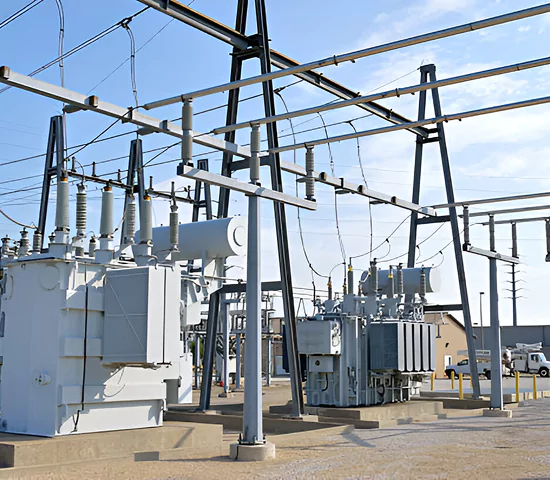
Technical Architecture: Engineering Standards for German Marine Transformers
Operating a transformer on a commercial vessel, naval ship, luxury yacht, or offshore wind substation requires specialized electrical and mechanical design parameters. Unlike stationary land-based transformers, marine transformers operate within confined, high-humidity, and saline environments.
1. Compliance with IEC 60092-303 & Classification Society Guidelines
In Germany, electrical equipment installed on vessels and offshore structures must strictly satisfy the IEC 60092-303 standard ("Electrical installations in ships - Part 303: Equipment - Transformers for power and lighting"). Furthermore, procurement engineers must ensure equipment satisfies the type-approval guidelines of leading marine classification societies, including DNV (Det Norske Veritas), Lloyd's Register (LR), American Bureau of Shipping (ABS), and Bureau Veritas (BV).
- Thermal Endurance & Insulation: Marine dry-type transformers utilize Class H (180°C) or Class F (155°C) Nomex insulation materials, maintaining low temperature rise limits (typically 90K to 100K) to ensure uninterrupted service even at elevated ambient engine room temperatures (up to 45°C or 50°C).
- Anti-Corrosion C5-M Surface Coatings: Transformer enclosures and structural steel parts receive hot-dip galvanization and C5-M grade marine epoxy painting systems capable of withstanding over 1,440 hours of salt spray testing (ISO 12944-6).
- Vibration and Shock Resistance: Internal cores and windings are secured using reinforced clamping frames, anti-vibration damping pads, and vacuum pressure impregnation (VPI) resin bonding, certified to withstand continuous 3D vibrational forces up to 4g (2-100 Hz spectrum).
- Dynamic Inclination Limits: Designed to maintain rated operational performance under permanent list conditions of 15° and dynamic roll angles of up to 22.5°, preventing oil spill risks (in liquid units) or magnetic displacement.
2. Vacuum Pressure Impregnated (VPI) vs. Cast Resin Dry-Type Transformers
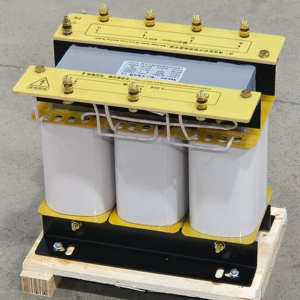
For shipboard applications, dry-type transformers are universally preferred over traditional liquid-filled units to eliminate fire hazards and marine environmental pollution. German marine engineers primarily evaluate two dominant dry-type technologies:
Vacuum Pressure Impregnation (VPI)
VPI marine transformers utilize high-grade polyester or silicone resin applied under vacuum and pressure cycles. This deep penetration eliminates air pockets and moisture ingress, offering superior elastic resilience under extreme mechanical vibration and thermal cycling. VPI units feature lighter physical footprints, lower weight, and optimal cooling dynamics for enclosed vessel spaces.
Cast Resin (CRT) Dry Transformers
Cast Resin Transformers encapsulate primary and secondary windings inside solid epoxy resin molds under vacuum. CRT offers total protection against heavy moisture, salt spray accumulation, and dust. They are ideal for exposed deck areas or highly corrosive bilge compartments, although they carry a slightly higher thermal inertia and physical weight penalty compared to VPI.
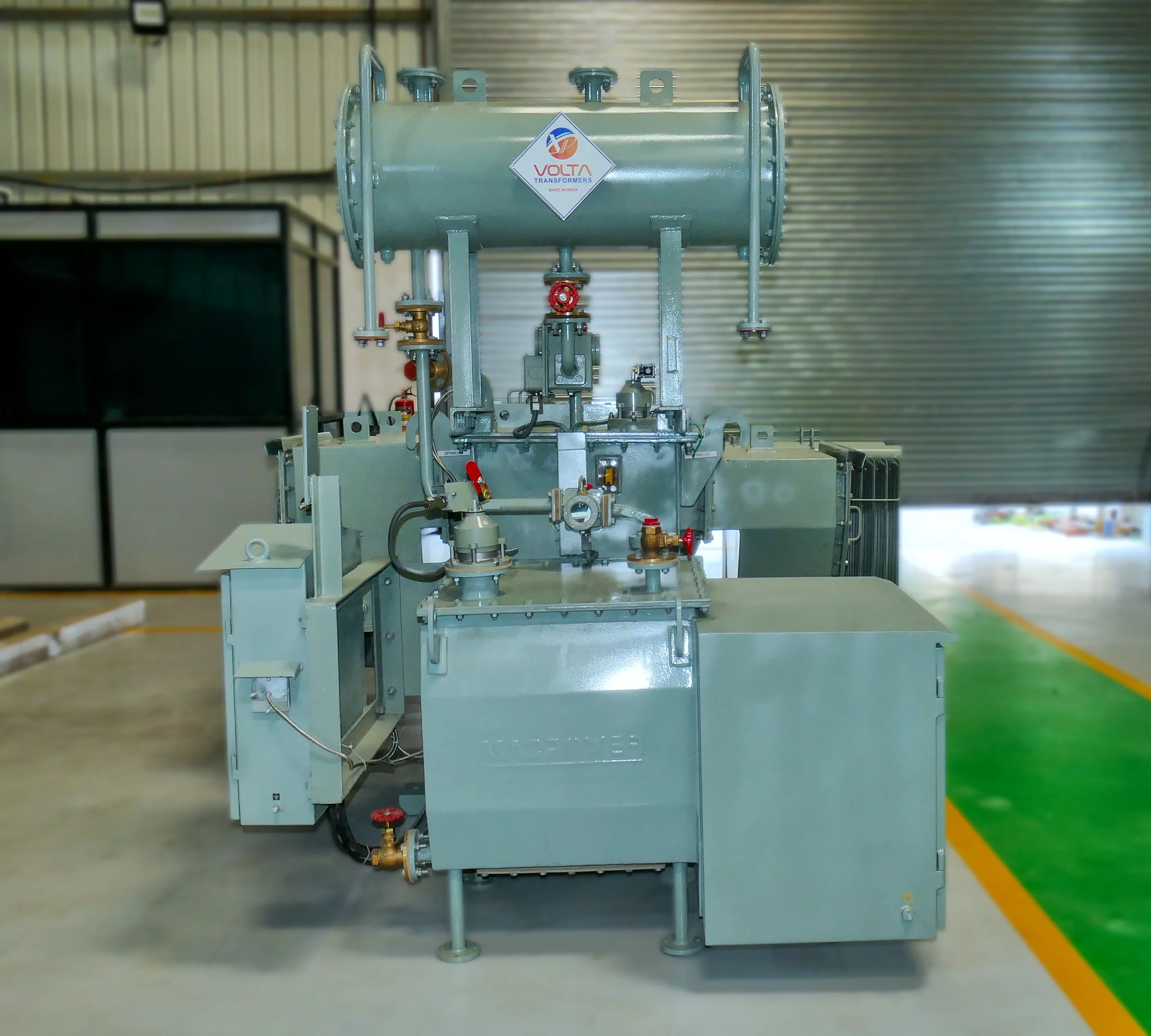
Data Visualization: Marine Transformer Technology Selection Matrix
To assist German procurement managers and technical directors in selecting the precise transformer topology for their vessel class or shore project, the comparison matrix below highlights key operational parameters:
| Feature / Parameter | VPI Dry-Type Marine Transformer | Cast Resin Dry-Type (CRT) | Hermetically Sealed Liquid Marine |
|---|---|---|---|
| Primary Application | Engine Room Auxiliaries, Propulsion, Lighting | Exposed Decks, High Humidity, Bow Thrusters | Offshore Wind Substation Main Power |
| Fire Safety Rating | F1 Self-Extinguishing (High Safety) | F1 Self-Extinguishing (Maximum Safety) | Requires Synthetic Ester Liquid (K-Class) |
| Moisture/Salt Resistance | E2 / C2 Environment Class | E3 / C2 Maximum Environmental Class | Hermetically Sealed IP56 Enclosure |
| Vibration Endurance | Flexible Resin Core Structure (up to 4g) | Rigid Epoxy Cast Structure (up to 3g) | Heavy Dampened Base Frame (up to 2.5g) |
| Harmonic Mitigation (K-Factor) | Custom K-4, K-13, K-20 Ratings Available | Custom K-4, K-13 Ratings Available | High Thermal Reserve for Drive Harmonics |
| Maintenance Profile | Low (Periodic Visual & Dust Cleaning) | Ultra-Low (Wipe-down Inspection) | Medium (Oil DGA & Pressure Checks) |
Localized Application Scenarios in Germany
The operational demands placed on marine transformers vary across Germany's geographic maritime hubs. Understanding these localized engineering contexts ensures optimal specification and system integration.
1. Hamburg & Bremerhaven Harbor Terminals: Shore-to-Ship Power (Landstrom)
As Europe’s leading logistics hubs, the Ports of Hamburg and Bremerhaven are implementing extensive shore-power networks to eliminate auxiliary engine emissions while vessels are berthed. Shore power connections require specialized step-down transformers capable of converting high-voltage municipal grid power (e.g., 20kV 50Hz) to shipboard distribution voltages (e.g., 6.6kV or 440V 60Hz via static frequency converters). These transformers must incorporate electrostatic shielding between windings to block grid transients and feature ultra-low partial discharge (<10 pC) for 24/7 continuous duty.
2. North Sea & Baltic Sea Offshore Wind Substations (HVDC/AC Platforms)
In Germany's Exclusive Economic Zone (EEZ) in the North Sea (e.g., HelGoland cluster) and Baltic Sea, offshore converter platforms operated by grid managers such as TenneT and 50Hertz rely on marine-grade auxiliary power transformers. Installed miles offshore, these transformers endure extreme sea salt mist, perpetual structural sway, and strict space limitations. Compact VPI and cast resin transformers engineered by Volta provide auxiliary supply for offshore platform crane systems, emergency switchgear, desalinization units, and crew quarters.
3. Papenburg & Kiel Shipyards: Cruise Ships & Naval Support Vessels
Shipyards like Meyer Werft in Papenburg build some of the world's most advanced passenger cruise ships, which feature complex multi-megawatt electric propulsion drives (Azipods). Marine propulsion transformers feeding multi-pulse VFD inverters (12-pulse, 18-pulse, or 24-pulse systems) must withstand heavy voltage harmonics, high dV/dt stress, and current distortion without exceeding thermal limits. Volta’s custom-designed phase-shifting marine transformers neutralize low-order harmonics (5th, 7th, 11th, 13th), preventing overheating in vessel generators.
4. Inland Waterway Electrification (Rhine-Main-Danube Network)
The greening of Germany's inland freight fleet operating along the Rhine and Elbe rivers relies heavily on battery-hybrid cargo barges. Onboard marine transformers step down battery bank inverter outputs to 400V 3-phase auxiliary networks while managing severe shock loads encountered during lock maneuvers and river docking.
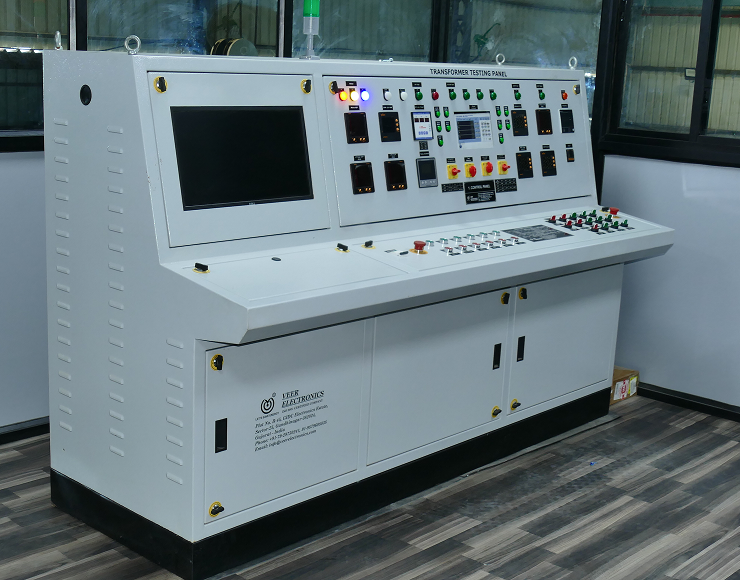
Why German Engineers Partner with Volta Transformers
As a key enterprise brand under Volta Green Energy Pvt. Ltd. and the Pooja Group of Industries (established in 2001), Volta Transformers brings over 15 years of world-class design and manufacturing excellence to the global maritime sector. Operating from a modern industrial manufacturing facility in Vadodara, Gujarat, Volta has supplied over 500 satisfied international clients across Europe, Asia, and the Americas.
Our engineering capabilities span oil-filled distribution transformers, high-capacity power transformers up to 25 MVA / 66 kV class, dry-type marine transformers, solar/wind inverter duty transformers, and custom compact substations. By leveraging ISO 9001:2015 quality management systems, BIS certifications (IS 1180: Part 1: 2014), and full compliance with IEC 60092 marine standards, Volta offers German marine buyers an unbeatable combination of technical precision, fast factory lead times, and significant cost savings.
ISO & BIS Certified Manufacturing
Strict quality control processes from core lamination slicing to final high-voltage impulse testing, meeting international marine specs.
Tailored Marine Engineering
Custom voltage taps, dual-frequency 50Hz/60Hz configurations, integrated thermal sensors (PT100), and shock mounts designed to client specs.
Global Logistics & Support
Seamless export logistics direct to German ports (Hamburg, Bremerhaven) with complete technical documentation and type-test reports.
Frequently Asked Questions by German Marine Buyers
Answers to common technical, regulatory, and logistics queries regarding marine transformer procurement in Germany.
Need Custom Marine Transformer Solutions in Germany?
Partner with an ISO 9001:2015 certified global manufacturer. Contact our senior marine electrical engineers today for immediate technical advice, DNV/LR compliance assistance, and competitive factory-direct quotations.
Inquire Now