Featured Resin & Power Transformers Catalog
Explore our certified range of auto-transformers, step-down units, toroidal coils, and modular substations engineered for global utility grids and industrial applications.
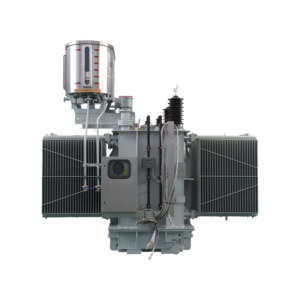
CE Certified 55kV 2x27.5kV 10MVA 10000KVA Ultra-low Energy Consumption Auto Transformer for Railway
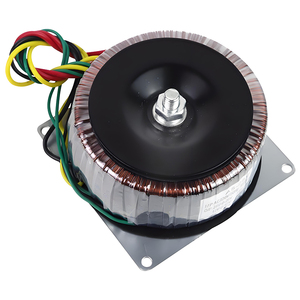
Customizable 300W Toroidal Transformer Universal Isolation Auto Transformers Multi-Output
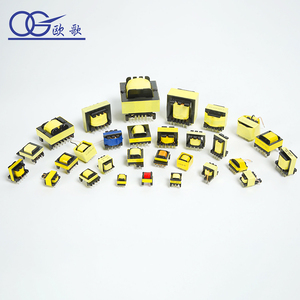
Wholesale Price EF25 Step Down Transformer Constant Current LED Driver Ferrite Core Small Electrical Transformer
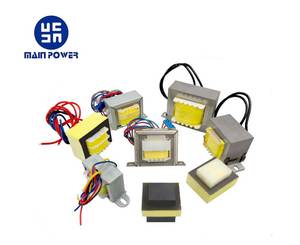
Square 60Hz 220V Auto Distribution Transformers High Thermal Endurance
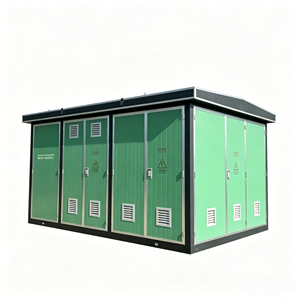
Modular Three-Phase Autotransformer High/Low Voltage Compact Transformer Substation (YBW Model) IP44
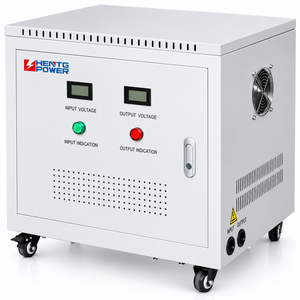
Factory Direct Sale 10KVA 220V to 380V 3 Phase Toroidal Aluminum Winding Step Down/Up Auto Transformer
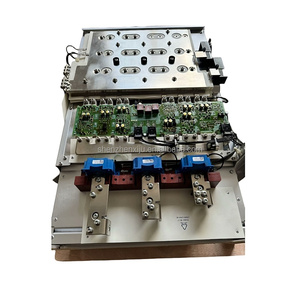
6SL3352-7AE32-1AA1 S120 MICROMASTER PX Replacement Industrial Fan Transformer Module
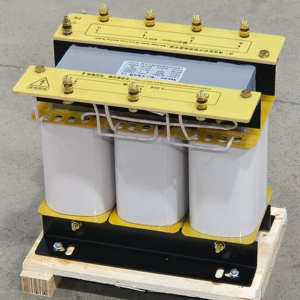
SBK 3-Phase Auto Transformer 415V 380V 220V 240V Isolation Volumes 10KVA to 150KVA Copper/Aluminum Winding
As global power distribution grids transition toward enhanced fire safety, environmental compliance, and high operational reliability, Cast Resin Dry-Type Transformers (CRT) have emerged as the standard alternative to traditional oil-immersed transformers in urban centers, high-rise buildings, data centers, and renewable energy substations. China has established itself as the global epicenter for advanced epoxy resin vacuum casting technology, combining world-class material science, automated coil winding, and stringent test procedures. This technical whitepaper analyzes manufacturing benchmarks, structural engineering principles, procurement strategies, and technical FAQs for international EPC contractors and utility buyers.
1. Material Science & Vacuum Epoxy Casting Physics
Cast resin dry-type transformers rely on encapsulating high-voltage and low-voltage windings within a solid dielectric matrix of epoxy resin blended with silica flour fillers. Leading Chinese OEMs utilize fully automated Vacuum Pressure Casting (VPC) plants operating under pressures below 1 mbar. This ultra-low pressure environment guarantees complete degassing of the liquid resin compound, virtually eliminating microscopic air voids that trigger Partial Discharge (PD).
Class F & Class H Thermal Endurance
Utilizing specialized epoxy formulations modified with cycloaliphatic anhydrides, top Chinese factories supply Class F (155°C) and Class H (180°C) thermal insulation systems capable of continuous rated load operation at extreme ambient conditions.
Partial Discharge Control (< 5 pC)
Advanced casting chambers ensure partial discharge values strictly below 5 picocoulombs (pC) at 1.73 Un, far surpassing IEC 60076-11 mandates. Low partial discharge guarantees immunity against dielectric breakdown over a 30+ year lifespan.
Fire Safety (F1 Rating) & Self-Extinguishing
Epoxy resin dry-type transformers carry F1 fire behavior certification. The resin mixture contains flame-retardant fillers that prevent toxic gas release and ensure self-extinction within seconds of arc ignition.
2. Technical Evaluation Matrix: Cast Resin vs. VPI vs. Oil-Filled Transformers
When evaluating transformer suppliers in China, utility engineers must compare structural design parameters to select the optimum insulation methodology for specific ambient conditions and load profiles.
| Performance Parameter | Cast Resin Dry-Type (CRT) | Vacuum Pressure Impregnated (VPI) | Oil-Immersed Distribution |
|---|---|---|---|
| Fire Hazard Level | F1 (Self-extinguishing, zero risk) | F0/F1 (Combustible varnish layer) | High (Flammable mineral oil) |
| Moisture Absorption Risk | E2/E3 (Impervious to high humidity) | Moderate (Requires climate control) | Low (Hermetically sealed tank) |
| Short-Circuit Mechanical Strength | Exceptional (Solid monolithic mass) | Moderate (Varnish bonded conductors) | High (Clamped oil duct assembly) |
| Maintenance Requirement | Near zero (Periodic dust cleaning) | Regular inspection & drying | Oil testing, DGA, gasket renewal |
| Installation Environment | Indoor, high-rise, underground, data centers | Controlled industrial workshops | Outdoor substations, fire vaults |
| Environmental Classification | C2 (Resistant to thermal shocks down to -25°C) | C1 (Standard industrial indoor) | Requires oil catchment pits |
3. Advanced Manufacturing Facilities & Quality Control Standards
World-class resin transformer manufacturers in China operate vertically integrated facilities. High-grade Cold Rolled Grain Oriented (CRGO) silicon steel sheets (such as 23ZH090 or Baosteel domain-refined grades) are processed using high-speed CNC step-lap shearing lines. Step-lap joint stacking minimizes magnetic flux leakage, drastically reducing no-load losses and acoustic noise levels below 45 dB(A).
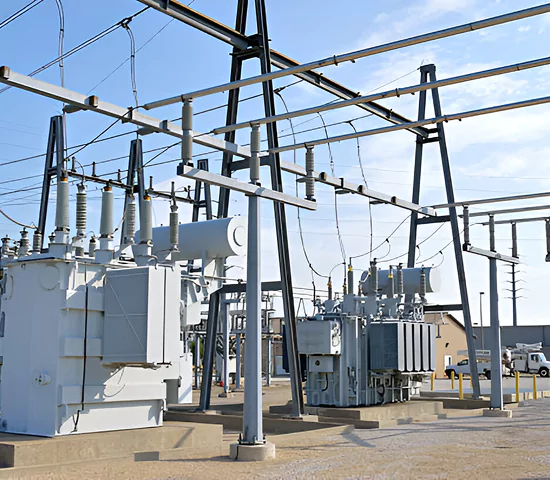
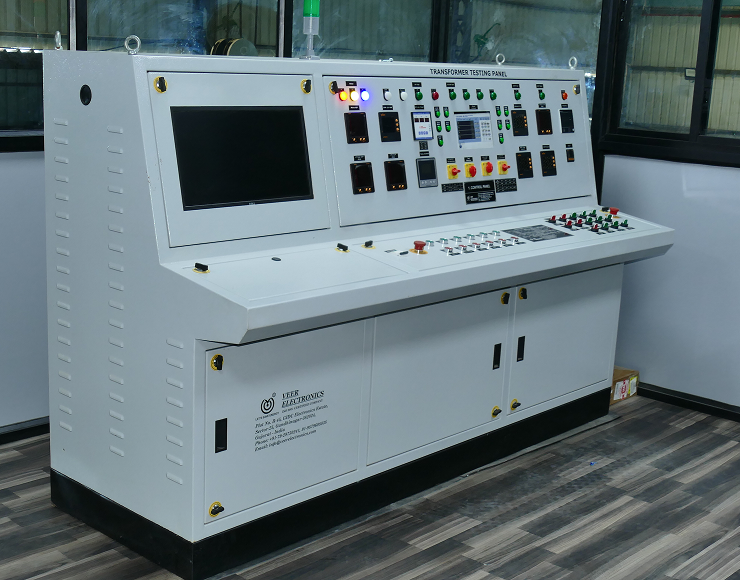
All production processes adhere strictly to ISO 9001:2015 Quality Management Systems, ISO 14001 Environmental Management, and ISO 45001 Occupational Health standards. Standard type testing protocols include Full Lightning Impulse Withstand Tests (BIL up to 250kV), Temperature Rise Tests under forced air cooling (ONAF), and Short-Circuit Withstand Validation in accordance with IEC 60076-5.
4. Future Procurement Trends & Technological Roadmaps (2026–2035)
Procurement directors and system integrators must align their sourcing strategies with long-term technological shifts reshaping the power equipment landscape.
Amorphous Metal Core Integration
The substitution of silicon steel cores with Amorphous Metal alloys (Metglas) reduces no-load core losses by up to 70-80%. Chinese manufacturers are scaling cast resin amorphous transformers to support global Net-Zero initiatives.
Smart IoT Digital Twin Monitoring
Next-generation resin transformers feature embedded fiber-optic RTD sensors cast directly into the HV windings. Real-time RS485 Modbus or IEC 61850 data feeds allow predictive thermal modeling and cloud-based health index tracking.
High K-Factor Harmonic Mitigation
With the exponential growth of variable frequency drives (VFDs), EV charging infrastructure, and AI server racks, procurement specs increasingly require K-13 and K-20 rated transformers designed to handle high Total Harmonic Distortion (THD).
Why China Manufacturers lead in Global OEM/ODM Supply Chains
China's transformer supply chain offers unparalleled economies of scale, comprehensive component localization (copper foil, resin formulations, bushings, enclosures), and deep compliance with international standards (IEEE C57.12.01, EN 60076, GOST, and BIS IS 1180).
By leveraging advanced CAD/CAM electromagnetic finite element analysis (FEA), Chinese design engineering teams can deliver customized voltage taps (e.g., 10kV to 400V, 11kV to 3.3kV, 33kV to 415V) within expedited 4 to 6 week production windows.
Get a Custom Engineering Quote5. Frequently Asked Questions (FAQ) for Engineering Procurement
Detailed technical responses to common questions encountered during factory audits, design reviews, and bid evaluations.
Partner with Leading China Resin Transformer Manufacturers
Whether you require standard distribution dry-type transformers, heavy-duty railway auto-transformers, modular compact substations, or OEM toroidal isolation units, working directly with experienced China manufacturing facilities ensures optimal balance between high electrical efficiency, full international compliance, and cost-effective capital expenditure.
Our engineering team provides comprehensive technical support, single-line diagram (SLD) reviews, custom enclosure design, and fast factory-direct price estimates for global projects.