High-Voltage Isolator Switches & Industrial Transformer Portfolio
Explore our certified range of auto transformers, isolation switches, toroidal step-down units, and compact substations engineered for global utility grids and heavy industrial automation.
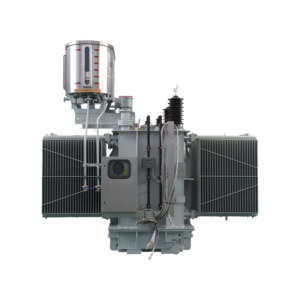
CE Certified 55kV 2x27.5kV 10MVA 10000KVA Factory Price Ultra-low Energy Consumption Auto Transformer for Railway
Contact Us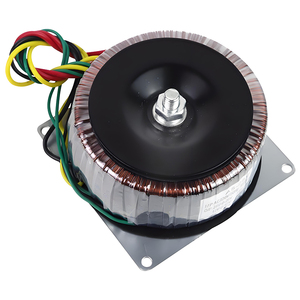
Customizable 300W Toroidal Transformer Universal Isolation Auto Transformers 12V/15V/18V/20V/22V/24V/28V/30V/33V/36V/38V Output
Contact Us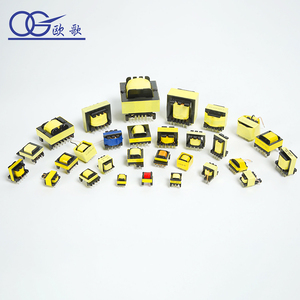
Wholesale Price EF25 Step Down Transformer Constant Current Led Driver Ferrite Core Transformer Small Electrical Transformer
Contact Us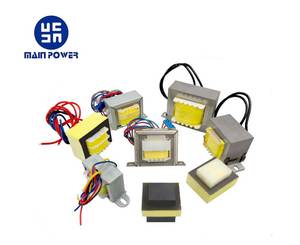
Square 60Hz 220V Auto Distribution Transformers
Contact Us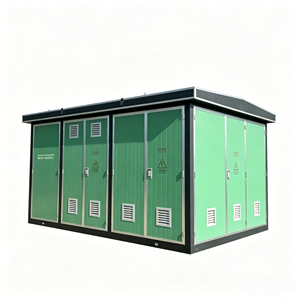
Modular Three-Phase Autotransformer High/Low Voltage Compact Transformer Substation (YBW Model) IP44 Protection 50/60Hz Power
Contact Us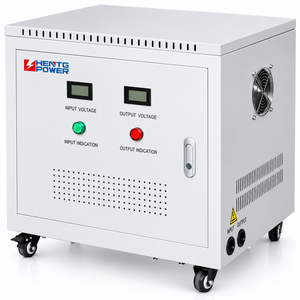
Factory Directly Sale 10KVA 220V to 380V 3 Phase Toroidal Aluminum Winding 50/60Hz Step Down/Up Auto Transformers
Contact Us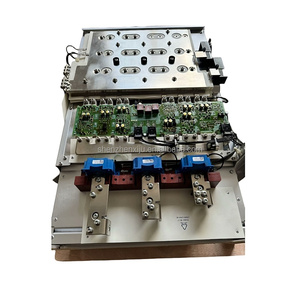
New And Used 6SL3352-7AE32-1AA1 S120 MICROMASTER PX Replacement Fan Transformer 6SL33527AE321AA1 6sl3352-7ae32-1aa1
Contact Us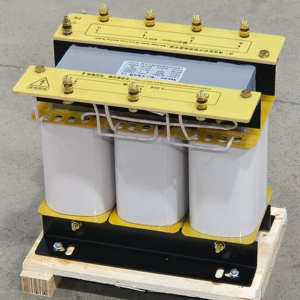
SBK 3-Phase Auto Transformer 415v 380v 220v 240v Isolation Volumes 230v 220v 110v 100v 20kva 10kva 50kva 150kva Aluminum Copper
Contact UsNavigating China's Isolator Switch & High-Voltage Isolation Landscape
An authoritative technical evaluation for procurement officers, substation design engineers, and industrial EPC contractors seeking high-reliability isolation switchgear and transformer solutions.
Information Gain Summary: Understanding Isolator Switch Mechanisms
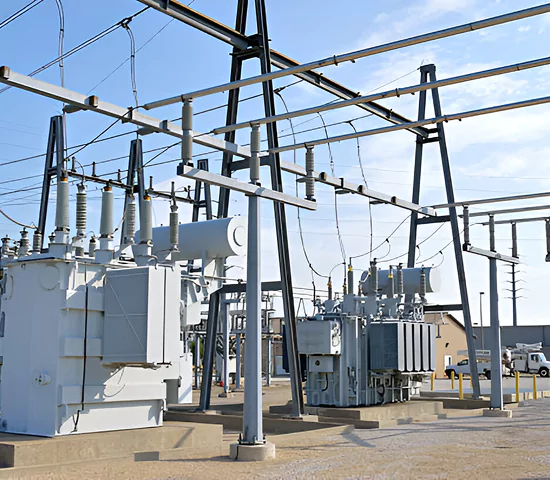
In high-voltage electrical substations and industrial distribution networks, an Isolator Switch (also known as a Disconnector) is a essential safety device designed to break a circuit under no-load conditions. Unlike circuit breakers that clear fault currents in milliseconds via vacuum or SF6 quenching chambers, isolator switches provide a visible, physical air gap isolation. This physical break guarantees that downstream electrical infrastructure—including power transformers, capacitor banks, and busbars—can undergo routine maintenance, thermal testing, and overhaul without human safety hazards.
Modern electrical grids demand continuous reliability, especially when integrating renewable solar/wind energy plants and heavy railway electrification. China's top isolator switch manufacturers have achieved significant breakthroughs in contact resistance reduction (utilizing silver-plated electrolytic copper contacts), mechanical endurance (IEC 60947-3 M2 class up to 10,000 operations), and environmental corrosion resistance (hot-dip galvanizing exceeding 85µm thickness). Sourcing from vetted manufacturers ensures long-term operational stability and reduced Total Cost of Ownership (TCO).
Visible Air-Gap Isolation
Ensures absolute physical isolation of high-voltage lines. Features lockable mechanism handles and mechanical interlocks with earthing switches to prevent accidental re-energization during maintenance.
Thermal & Dynamic Stability
Engineered to withstand short-circuit peak withstand currents (Ipk) up to 100kA and short-time withstand currents (Icw) for 3 seconds without contact welding or structural deformation.
Severe Environment Adaptation
Housings constructed with IP65/IP66 enclosures, stainless steel hardware, and silicon rubber/porcelain insulators tested for C5-M marine anti-corrosion environments and seismic zone IV endurance.
Key Development Trends in Isolator Switch Technology (2026–2030)
The global transition toward green grids, smart distribution networks, and high-DC solar farms is pushing isolator switch manufacturing into a new technological paradigm.
1. Ultra-High Voltage DC (1500V DC) Solar PV Isolators
With utility-scale photovoltaic installations upgrading from 1000V DC to 1500V DC systems, isolator switches are adopting multi-pole series arc suppression mechanisms and magnetic blowout technology to safely interrupt persistent DC arcs under high ambient temperatures.
2. Smart IoT Diagnostics & Digital Twin Monitoring
Next-gen isolator switches incorporate inline wireless temperature sensors (OAM), contact resistance monitoring algorithms, and motor-driven remote operation actuators. Real-time diagnostic data is transmitted to SCADA systems via Modbus/IEC 61850 protocols, enabling predictive maintenance.
3. SF6-Free Eco-Friendly Gas & Solid Insulation
In response to international greenhouse gas restrictions (EU F-Gas Regulation), manufacturers are replacing sulfur hexafluoride (SF6) gas in enclosed load break isolators with clean air, dry nitrogen (N2), or synthetic fluoronox gas mixtures, reducing global warming potential (GWP) to under 1.
Future Procurement Trends & Total Cost of Ownership (TCO)
B2B procurement is shifting from initial unit cost purchasing to long-term life-cycle cost analysis, factory audit compliance, and supply chain resiliency.
| Procurement Dimension | Traditional Procurement Model | Modern Strategic Procurement Trend (2026+) | Impact on Buyers & Utility Operators |
|---|---|---|---|
| Quality Benchmark | Basic IEC 60947 compliance | Full Type-Test Reports (KEMA, CESI) + ISO 9001:2015 Audit | Minimizes operational failure risk and contact welding hazards |
| Customization Scope | Standard off-the-shelf catalog models | Tailored voltage taps, dual-winding isolation, custom busbar layout | Integrates seamlessly into retrofitted or legacy substations |
| Cooling & Thermal Limits | ONAN natural oil cooling standard limits | High-efficiency ONAF hybrid cooling & 100°C winding insulation limit | Extends thermal headroom during peak load periods |
| Supply Chain Verification | Single-source supplier selection | Multi-regional production nodes + Raw material traceability | Prevents project lead-time delays during international transport |
| Lifecycle Value (TCO) | Focus on upfront purchase price (CAPEX) | Focus on low power loss (OPEX) + 25-Year design operational lifespan | Reduces lifetime energy loss by up to 30% over 20 years |
Enterprise Advantages & Global Manufacturing Authority
Integrating 15+ years of transformer and switchgear manufacturing heritage to deliver unmatched reliability for global industrial applications.
-
ISO 9001:2015 & BIS Certified Systems
All manufacturing processes strictly adhere to international quality control benchmarks and BIS standards under IS 1180: Part 1: 2014 for distribution transformers.
-
High Production Capacity (25 MVA / 66 KV Class)
Our modern industrial park in Vadodara, Gujarat is equipped with automated copper winding equipment, vacuum drying ovens, and precision impulse testing bays.
-
500+ Worldwide Satisfied Clients
Trusted by major utilities, steel mills, solar plant developers, and industrial EPCs across Asia, the Middle East, Africa, and the Americas.
-
End-to-End Technical & Commissioning Support
From initial design calculations and harmonic analysis to factory acceptance testing (FAT) and on-site commissioning guidance, we provide 360° assistance.
Frequently Asked Questions (Procurement & Engineering FAQ)
Direct answers to technical questions commonly submitted by electrical engineers and global procurement managers.
What is the key functional difference between an Isolator Switch and a Circuit Breaker?
A circuit breaker is designed to interrupt fault currents automatically under load conditions (using complex arc quenching media such as vacuum or SF6). In contrast, an isolator switch operates strictly under off-load (or negligible load) conditions to provide a visible, physical isolation break for safe maintenance. Circuit breakers protect equipment from overloads, whereas isolator switches protect human operators during servicing.
How do you ensure quality assurance and insulation integrity for transformers and switchgear?
We execute strict quality assurance protocols at every manufacturing stage. This includes raw material inspection (electrolytic copper purity, cold-rolled grain-oriented silicon steel testing), dielectric breakdown voltage (BDV) testing for transformer oil, dissolved gas analysis (DGA), partial discharge measurements, and temperature rise tests under full load conditions according to IEC/IS standards.
Can your isolation transformers and switches handle harmonic-rich non-linear loads?
Yes. Our specialty isolation transformers and switchgears are engineered with specific K-factor ratings (e.g., K-13, K-20) to handle severe non-linear harmonics generated by Variable Frequency Drives (VFDs), solar inverters, and arc furnaces. We utilize electrostatic shielding between primary and secondary windings to attenuate common-mode noise and prevent harmonic overheating.
What is the difference between ONAN and ONAF cooling systems in transformers?
ONAN (Oil Natural Air Natural) relies entirely on natural oil convection inside the tank and natural airflow across external radiators. ONAF (Oil Natural Air Forced) introduces thermostatically controlled external cooling fans to accelerate heat dissipation from the radiators. ONAF cooling allows the transformer to operate at up to 25%–33% higher power capacity without exceeding safe temperature rise limits (65°C oil / 100°C winding).
What certifications and international standards are complied with for export?
Our products comply with IEC 60947-3 (Low Voltage Switchgear & Controlgear), IEC 60076 (Power Transformers), ISO 9001:2015 Quality Management Systems, and BIS approval under IS 1180: Part 1: 2014. CE testing and type-test reports from accredited third-party laboratories are available upon request for international buyers.
How do custom technical requests impact manufacturing lead times?
Standard model configurations typically ship within 2 to 4 weeks. Custom electrical designs—such as specialized voltage ratios, dual secondary windings, custom IP protection ratings, or anti-seismic bracing—undergo accelerated CAD/FEM modeling and are typically ready for Factory Acceptance Testing (FAT) within 6 to 8 weeks.
Ready to Source High-Reliability Isolator Switches & Transformers?
Connect with our senior application engineers to receive custom technical drawings, instant pricing quotes, and Factory Acceptance Testing schedule details.