High-Performance OEM Medium Voltage & Distribution Units
Explore our custom-engineered transformer lineup manufactured under ISO 9001:2015 and BIS IS 1180 quality frameworks, optimized for railway, renewable energy, and heavy industrial applications.
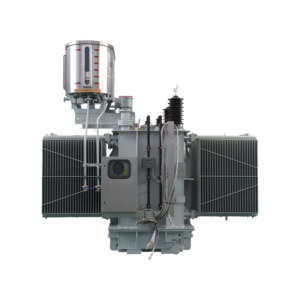
CE Certified 55kV 2x27.5kV 10MVA 10000KVA Factory Price Ultra-low Energy Consumption Auto Transformer for Railway
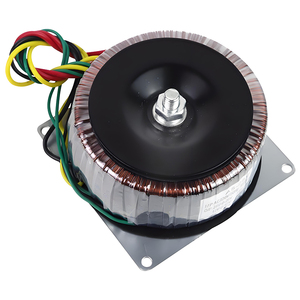
Customizable 300W Toroidal Transformer Universal Isolation Auto Transformers Multi-Voltage Output
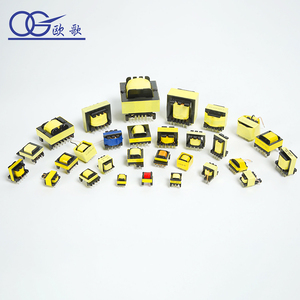
Wholesale Price EF25 Step Down Transformer Constant Current LED Driver Ferrite Core Small Transformer
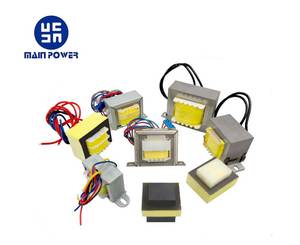
Square 60Hz 220V High Efficiency Auto Distribution Transformers for Commercial Grid Integration
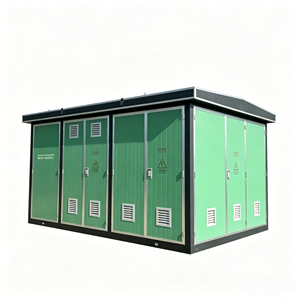
Modular Three-Phase Autotransformer High/Low Voltage Compact Substation (YBW Model) IP44 Protection
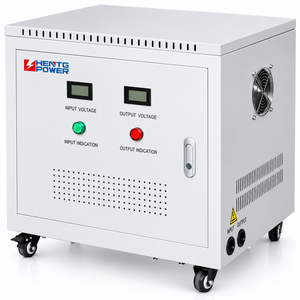
Factory Directly Sale 10KVA 220V to 380V 3 Phase Toroidal Aluminum Winding 50/60Hz Step Down/Up Transformer
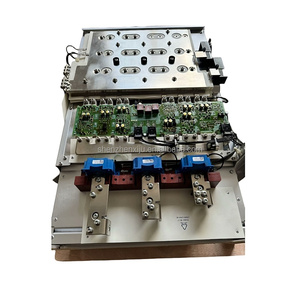
Industrial Grade 6SL3352-7AE32-1AA1 S120 MICROMASTER PX Replacement Fan Transformer Assembly
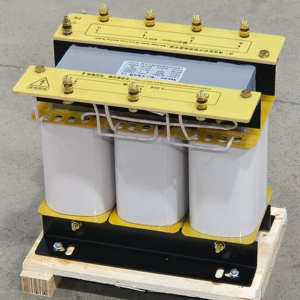
SBK 3-Phase Auto Transformer 415v 380v 220v Isolation Volumes 10KVA to 150KVA Copper/Aluminum Winding
Navigating Custom OEM Medium Voltage Sourcing: Technical Imperatives & Utility Demands
Medium Voltage (MV) equipment—encompassing electrical apparatus operating typically between 1 kV and 66 kV—forms the backbone of modern power distribution, heavy industrial facilities, renewable energy integration hubs, and electric railway infrastructures. As global electrical grids undergo unprecedented modernization toward smart grid architectures and high-density renewable feeds, the demand for highly tailored, customized OEM (Original Equipment Manufacturer) medium voltage solutions has surged exponentially.
Off-the-shelf standardized transformers and switchgear units frequently fail to address niche operational environments. Custom engineering parameters—such as harmonic distortion mitigation for variable frequency drives (VFDs), extreme ambient temperature resilience, specific Basic Impulse Level (BIL) ratings, non-standard turn ratios, and spatial footprint constraints in urban substations—mandate direct collaboration with qualified OEM manufacturing partners.
Technical Scope & Engineering Parameters
Custom OEM MV fabrication spans multiple specialized equipment classifications designed to withstand mechanical stress under transient fault conditions, partial discharge exposure, and severe duty cycles. Primary custom categories include:
- Oil-Filled Power & Distribution Transformers: Ranging up to 25 MVA at 66 KV class, incorporating ONAN/ONAF cooling configurations, conservator tank moisture traps, and high dielectric mineral or ester oils.
- Dry-Type & Cast Resin Transformers (VPI): Fire-resistant, environmentally safe transformers engineered with Vacuum Pressure Impregnation (VPI) for indoor substations, high-rise infrastructure, and sensitive industrial cleanrooms.
- Specialty Duty Inverter & Furnace Units: Tailored multi-winding transformers capable of handling pulsating current profiles from solar/wind inverters and extreme cyclic current fluctuations in electric arc furnace (EAF) steel manufacturing.
- Modular Compact Substations (YBW / CSS): Factory-assembled, IP44-rated steel or GRC-enclosed package substations containing MV switchgear, step-down transformers, and low-voltage distribution panels.
OEM Manufacturing Competency Matrix: The Volta Technical Advantage
Engineered under the umbrella of Volta Green Energy Pvt. Ltd. (a constituent brand of the esteemed Pooja Group of Industries, established in 2001), our manufacturing hub in Vadodara, Gujarat, represents over 15 years of continuous engineering refinement in medium voltage electrical manufacturing. Serving over 500 enterprise clients globally, our facility merges advanced electromagnetic simulation with stringent quality assurance protocols.
Certified Quality Architecture
Operated strictly under ISO 9001:2015 certified Quality Management Systems and BIS approval (IS 1180: Part 1: 2014) for low-loss energy distribution compliance.
Custom Electromagnetic Engineering
Capability to customize magnetic core geometry using high-permeability CRGO steel and adjust coil turn distribution for non-standard voltage steps.
Rigorous Testing Protocol
Full routine, type, and special testing including lightning impulse voltage withstand tests, short-circuit endurance, partial discharge measurement, and DGA oil analysis.
Future Procurement Trends in Medium Voltage Equipment
Procurement directors and electrical engineering consultants must anticipate macro industry shifts to ensure assets purchased today remain compliant, scalable, and resilient over a 25-to-30-year design life. Key technology and procurement vector shifts include:
| Procurement Vector | Legacy Equipment Focus | Next-Generation OEM Standard (2026+) | Strategic Benefit for Buyers |
|---|---|---|---|
| Insulation Dielectric | Conventional Mineral Oil | Synthetic & Natural Ester Fluids | Higher fire point (>300°C), biodegradable, extended paper insulation life. |
| Grid Intelligence | Passive Analog Gauge Monitoring | Integrated Smart Fiber-Optic Sensing & IoT DGA | Real-time thermal tracking, predictive maintenance, zero unplanned downtime. |
| Efficiency Standard | Standard Loss Levels | Ultra-Low Loss Core (Amorphous/CRGO M4) | Substantial OPEX savings and reduced carbon footprint tax compliance. |
| Harmonic Resilience | Standard Linear Load Rating | Enhanced K-Factor & Electrostatic Shielding | Mitigates high frequency harmonic heating from solar inverters and EV chargers. |
| Substation Footprint | Open Air Field Construction | Factory-Assembled Compact Package (CSS) | 70% land saving, reduced civil installation labor, pre-commissioned reliability. |
Key Drivers Shaping Global MV Manufacturing
1. Decentralized Renewable Energy Integration: With massive solar photovoltaic (PV) array installations and offshore wind farms, medium voltage transformers are increasingly deployed in harsh outdoor microclimates. Inverter duty transformers must be custom-wound with isolated multiple secondary windings to accept unsynchronized inputs from multiple string inverters.
2. Industrial Electrification & Grid Decarbonization: Steel manufacturers, chemical process plants, and data center operators are upgrading legacy MV infrastructure to high-efficiency cast resin or hermetically sealed distribution units to eliminate maintenance downtime and adhere to regional carbon-offset mandates.
3. Total Cost of Ownership (TCO) Evaluation: Forward-thinking enterprise buyers evaluate vendors based on evaluated capitalization of losses. Purchasing a lower-priced transformer with higher core and copper losses yields a significantly higher lifetime expense compared to investing in an optimized custom OEM unit featuring ultra-low loss core lamination.
Strategic Procurement & OEM Vendor Selection Guide
When issuing Requests for Quotation (RFQs) or managing international tenders for custom medium voltage transformers and compact substations, procurement officers should follow a structured evaluation methodology to mitigate technical and commercial risks.
Phase 1: Technical Requirement Definition
Define precise operating conditions: kVA/MVA capacity, primary and secondary voltage vector groups (e.g., Dyn11, Ynd11), BIL ratings, altitude derating factor, short-circuit impedance requirements, and noise level thresholds in dB.
Phase 2: OEM Audit & Compliance Verification
Verify factory certification credentials (ISO 9001, ISO 14001, BIS IS 1180), examine type test reports issued by independent accredited laboratories (such as CPRI or ERDA), and review raw material supply chain traceability for electrolyte copper and CRGO steel cores.
Phase 3: Design Review & Thermal Modeling
Ensure the manufacturer conducts 3D electromagnetic and thermal finite element analysis (FEA) to eliminate localized hot spots within the windings and guarantee standard temperature rise limits (65°C for oil, 100°C for winding insulation).
Phase 4: Factory Acceptance Testing (FAT)
Mandate physical or remote witnessed FAT covering ratio, polarity, phase relation, winding resistance, no-load loss, load loss, dielectric withstand, and breakdown voltage (BDV) testing of insulating fluids prior to shipment dispatch.
Frequently Asked Procurement & Technical Questions (FAQ)
Clear, expert answers to key queries raised by global electrical contractors, project engineers, and utility procurement officers.
How do you ensure the quality and long-term reliability of custom medium voltage transformers?
What certifications do Volta Transformers hold for international and domestic projects?
Can your OEM custom units handle severe harmonics and non-linear electrical loads?
What is the functional difference between ONAN and ONAF cooling options?
What are the standard temperature rise limits adhered to in your designs?
Need Custom OEM Medium Voltage Engineering Specifications?
Consult directly with our senior application engineers in Vadodara to discuss customized voltage ratings, vector groups, thermal calculations, and factory lead times for your upcoming project.
Inquire Now