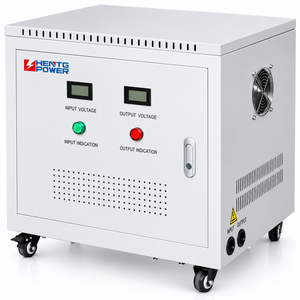
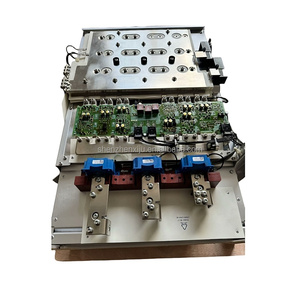
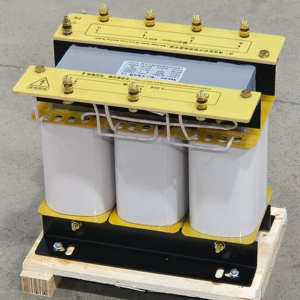
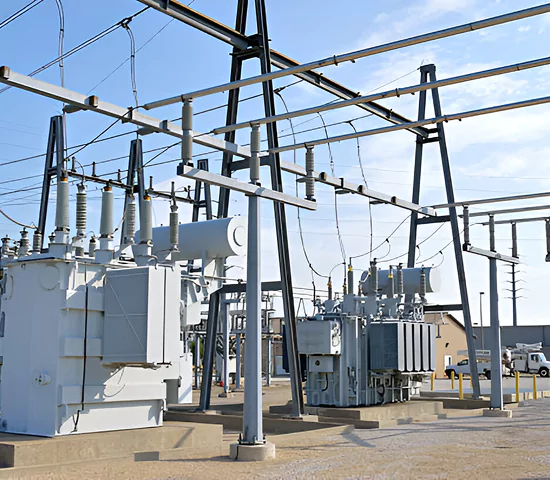
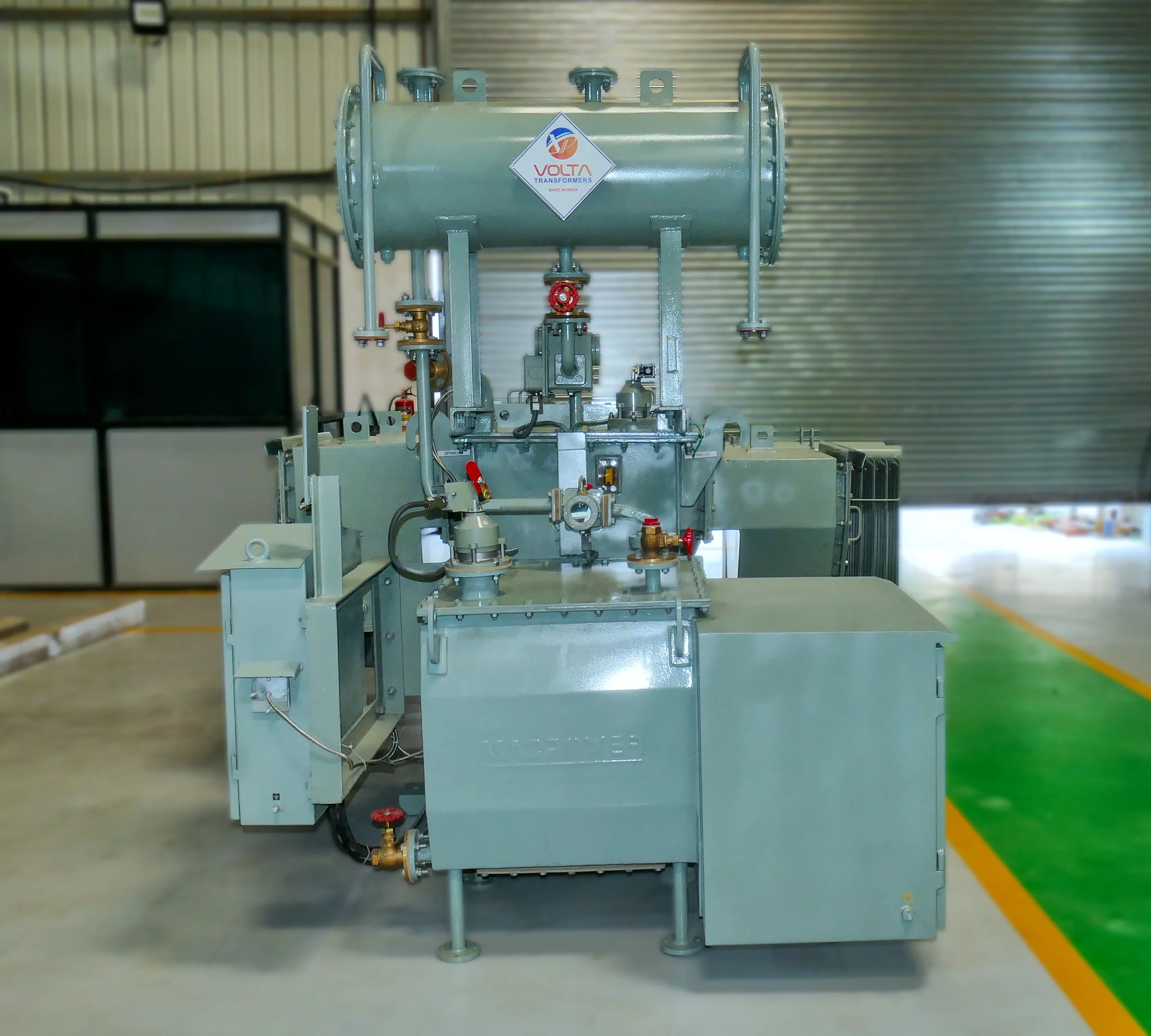
CE Certified 55kV 2x27.5kV 10MVA 10000KVA Factory Price Ultra-low Energy Consumption Auto Transformer for Railway
Application: High-Speed Railway Traction Power
Efficiency: Ultra-Low Loss Core Technology
Engineered for extreme reliability, low core-loss performance, and compliance with international electrical standards (IEC 60076, IS 1180, ISO 9001:2015).
Operating under ISO 9001:2015 quality management systems and BIS certifications, providing scalable modular power equipment to global utilities, railway systems, and heavy manufacturing plants.
An engineering comparison of capital expenditures, commissioning timelines, and operational flexibility between traditional civil-constructed substations and factory-assembled China wholesale modular substation packages.
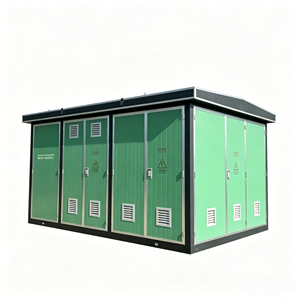
Prefabricated modular substations (such as the YBW series) integrate high-voltage switchgear, oil-filled or dry-type power transformers, and low-voltage distribution panels into a single insulated enclosure. This compact layout reduces total land footprint requirements by up to 70% compared to traditional open-air civil substations, making them critical for urban centers, solar farms, and space-restricted industrial complexes.
Traditional stick-built substations require extensive civil engineering, prolonged concrete curing, and complex multi-vendor cabling on site. In contrast, modular substations are 100% factory-built, pre-wired, and routine-tested before shipping. Site work is minimized to foundation placement and primary feeder connections, cutting commissioning schedules from 9 months down to under 4 weeks.
Outdoor modular substations feature IP44 to IP54 ingress protection rating, constructed from anti-corrosion galvanized sheet metal or stainless steel shells (C4/C5 marine-grade coatings). Internal climate controls prevent condensation, dielectric thermal stress, and dust ingress, guaranteeing reliable performance across ambient temperatures ranging from -40°C to +55°C.
| Performance / Logistics Metric | YBW Modular Compact Substation | Traditional Civil Outdoor Substation | Procurement Advantage |
|---|---|---|---|
| On-Site Construction Lead Time | 2 to 4 Weeks (Plug-and-Play) | 6 to 9 Months (Civil Works heavy) | 85% Time Savings |
| Land Footprint Requirement | 15 m² – 45 m² (Ultra Compact) | 120 m² – 350 m² (Open Air Spacing) | Up to 70% Land Reduction |
| Factory Testing & Pre-Commissioning | 100% Factory Acceptance Tested (FAT) | Fragmented Testing across Multiple Vendors | Zero Quality Variance |
| Civil & Installation CAPEX | Minimal Concrete Slab Required | Extensive Foundations, Trenches, Fencing | 35% Total Cost Reduction |
| Relocability & Scalability | 100% Skid-Mounted / Transportable | Permanent Concrete Fixture (Non-Relocatable) | High Asset Mobility |
Strategic shifts driving global utility procurement, EPC contract requirements, and factory manufacturing paradigms over the next decade.
Global decarbonization mandates are pushing wholesale buyers away from traditional mineral oil insulation toward biodegradable synthetic and natural ester fluids. Ester-filled transformers offer a flashpoint exceeding 300°C (K-class fluid rating), significantly reducing fire hazards in dense industrial zones and modular substations, while providing superior thermal conductivity and extended paper insulation life.
Modern B2B purchasers require substations equipped with smart sensor matrices (IoT-enabled). Built-in sensors collect real-time data on winding temperature rise, dissolved gas analysis (DGA), oil level dynamics, and partial discharge levels. Utilizing the IEC 61850 protocol, these smart modular substations feed telemetry directly into SCADA networks for predictive maintenance.
Due to environmental regulations targeting fluorinated greenhouse gases, leading China factories are shifting toward vacuum circuit breaker (VCB) technology and dry-air insulated ring main units (RMU). Sourcing SF6-free modular substations future-proofs infrastructure against carbon taxation and environmental compliance risks.
The rapid expansion of solar photovoltaic plants, wind farms, and EV supercharging stations introduces non-linear electrical loads and severe harmonics. Future procurement specifications prioritize K-factor rated transformers (K-9, K-13, K-20) engineered with electrostatic shielding between primary and secondary windings to neutralize stray magnetic fluxes and thermal runaway risks.
Inside the precision engineering processes of top-tier Chinese transformer factories: materials science, core geometry, and heat management.
To achieve high energy efficiency, top manufacturing facilities utilize ultra-thin, high-permeability Cold-Rolled Grain-Oriented (CRGO) silicon steel laminations (e.g., 23ZH085 or 23ZDMH85 grades) cut with precision step-lap jointing machines. This geometry reduces no-load losses by up to 25% and minimizes operational acoustics.
For specialized low-loss distribution projects, Amorphous alloy cores are deployed, offering up to 70% lower core losses than traditional silicon steel sheets, resulting in substantial long-term operational savings (OPEX) for utility buyers.
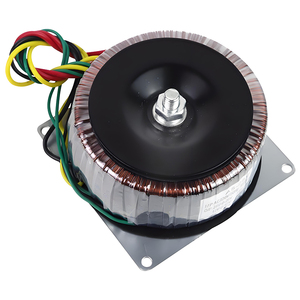
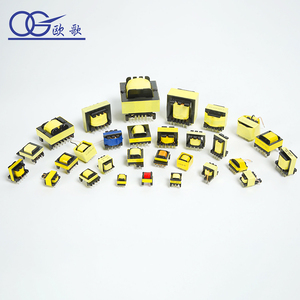
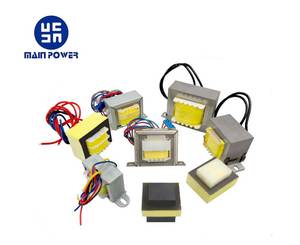
Our factory line produces both toroidal and traditional laminated square transformers. Toroidal transformers feature continuous grain-oriented silicon steel ribbon windings without air gaps, achieving minimal electromagnetic radiation (EMI), high efficiency (95%+), and compact round form factors ideal for high-precision industrial power supplies.
Proper thermal management dictates transformer lifespan. Standard oil-immersed distribution units rely on ONAN (Oil Natural Air Natural) cooling, utilizing radiator panels for natural convective heat transfer.
For high-capacity industrial power transformers and heavy-duty autotransformers (up to 25MVA), automated forced-air cooling systems ONAF (Oil Natural Air Forced) are integrated. High-flow low-noise axial fans engage automatically when winding temperatures hit predetermined setpoints (e.g., 75°C), expanding continuous overload capacity by up to 33% without thermal degradation.
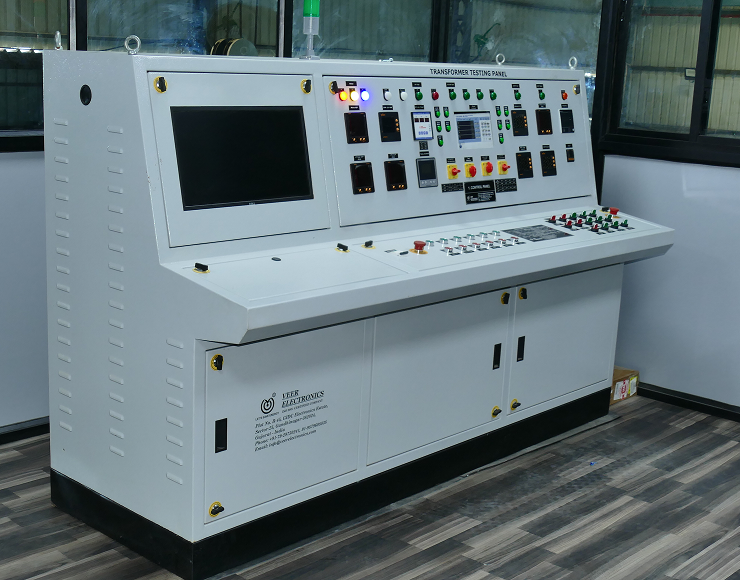
Every modular substation and transformer unit undergoes rigorous multi-stage factory acceptance testing (FAT) prior to packing and export shipping.
Applied AC Overvoltage and Lightning Impulse Withstand Voltage testing verify insulation integrity between phases, windings, and ground, ensuring equipment survives transient utility line surges.
Conducted in shielded high-voltage test chambers to ensure partial discharge levels remain below strict standards (< 10 pC at 1.2 Um), preventing dielectric breakdown over decades of service.
Insulating oil is analyzed for moisture levels, dielectric breakdown voltage (>60kV), and dissolved combustible gases (acetylene, methane, ethylene) to confirm thermal integrity prior to release.
Direct technical answers to common queries regarding modular substations, autotransformers, lead times, and factory customization.
Partner with a certified China wholesale modular substation manufacturer. Our engineering team provides complete single-line diagram (SLD) reviews, custom enclosure design, and factory-direct pricing for your EPC projects.