Featured High-Voltage & Industrial Transformer Portfolio
Precision-engineered electromagnetic solutions certified under ISO 9001:2015, CE, and IEC 60076 standards for critical grid, industrial, and railway applications.
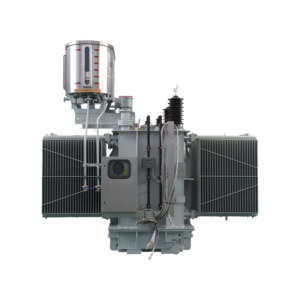
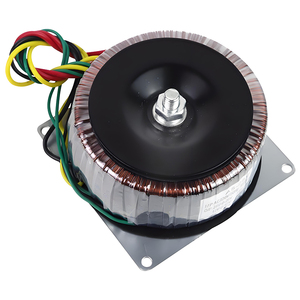
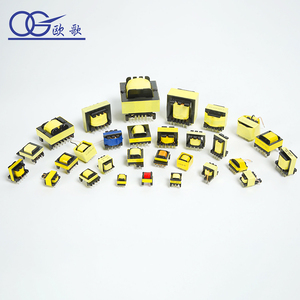
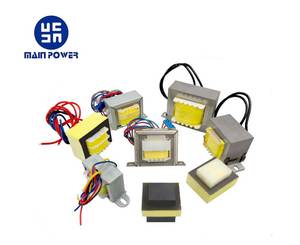
1. High-Voltage Electromagnetic Architecture & Core Metallurgy
As grid modernization accelerates globally, high-voltage (HV) transformer design has evolved from basic step-up/step-down functionality to complex, low-loss electromagnetic energy conversion hubs. In modern high-voltage manufacturing, core losses (no-load losses) and copper losses (load losses) directly influence the Total Cost of Ownership (TCO) for utility operators and heavy industrial power networks. China's top high-voltage manufacturing facilities leverage advanced material science and structural engineering to minimize hysteresis and eddy current dissipation.
1.1 Cold-Rolled Grain-Oriented (CRGO) Silicon Steel vs. Amorphous Alloys
The core material forms the magnetic backbone of high-voltage auto transformers and distribution substations. High-grade Cold-Rolled Grain-Oriented (CRGO) silicon steel (such as 23ZDMH85 or 27ZH100 grades) features domain-refined crystal orientation, achieving extremely low core loss figures (under 0.85 W/kg at 1.7 Tesla, 50Hz). For renewable energy step-up transformers and urban modular compact substations (e.g., YBW model units), amorphous alloy core configurations are increasingly integrated, delivering up to a 70% reduction in no-load losses compared to traditional silicon steel designs.
Technical Information Gain Insight: Advanced step-lap mitered core joints combined with automated robotic stacking eliminate localized flux density spikes, suppressing core noise by 5–8 dB(A) and drastically lowering magnetizing current under overvoltage conditions.
Step-Lap Core Miter Assembly
Multi-stage step-lap core joint geometry redistributes magnetic lines of force seamlessly at core leg intersections, minimizing stray magnetic fields and core temperature rise.
High Dielectric Copper/Aluminum
Oxygen-free copper (OFC) and specialized high-conductivity aluminum conductors wrapped in thermally upgraded Kraft paper withstand severe short-circuit electromagnetic stresses (up to 40kA).
Vacuum Pressure Impregnation (VPI)
Used extensively in dry-type and specialty traction transformers, VPI eliminates air voids within windings, providing partial discharge immunity below 10 pico-coulombs (pC).
2. Dielectric Thermodynamics & Cooling Classifications (ONAN / ONAF / Dry-Type)
Thermal management is the premier factor defining transformer life expectancy. According to Arrhenius' reaction rate law, operating a high-voltage transformer at just 6°C to 8°C above its continuous thermal insulation limit cuts the operational lifespan of the cellulose insulation in half. Therefore, engineered heat dissipation systems must be matched to operational profiles.
2.1 ONAN vs. ONAF Cooling Dynamics
In oil-immersed power transformers (ranging from 10kVA to 25MVA / 66kV class), ONAN (Oil Natural Air Natural) cooling relies on natural thermal convection within the transformer tank and radiator banks. When peak load demands increase, automated forced-air fans activate to switch the cooling system to ONAF (Oil Natural Air Forced) mode. This thermal upgrade boosts continuous current-carrying capacity by up to 25–33% without exceeding standard temperature rise limits (65°C for top oil, 100°C for winding hot-spots).
2.2 Synthetic vs. Natural Ester Dielectric Liquids
Traditional mineral insulating oil is rapidly being replaced in sensitive municipal, offshore, and industrial environments by biodegradable natural and synthetic ester fluids. Synthetic esters boast high fire points (>300°C, Class K designation), exceptional moisture tolerance (absorbing water without degrading dielectric breakdown voltage), and 100% non-toxic environmental breakdown within 28 days.
3. Comprehensive Engineering Matrix: High-Voltage Product Spectrum
Below is a comparative breakdown of top China-manufactured high-voltage transformer configurations, designed for international procurement specification and technical evaluation:
| Transformer Architecture | Primary Voltage Range | Efficiency Grade | Cooling Method | Dielectric Class | Target Application |
|---|---|---|---|---|---|
| Railway Traction Auto Transformer | 27.5kV / 55kV (2x27.5kV) | > 99.4% (Ultra-Low Loss) | ONAN / ONAF | Class A (Liquid Insulated) | High-Speed Electric Rail & Catenary Sub-stations |
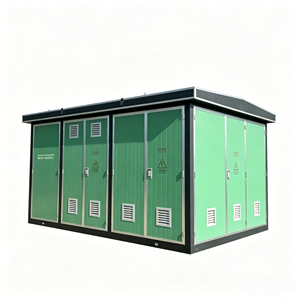
| Modular Compact Substation (YBW Model) | 6kV – 40.5kV HV / 0.4kV LV | > 98.8% | ONAN / Natural Vent | IP44 / IP54 Enclosure | Municipal Grids, Mining & Solar Power Plants |
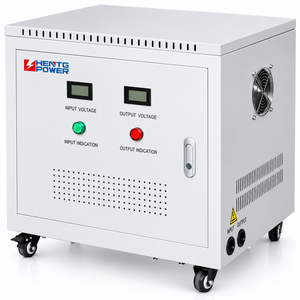
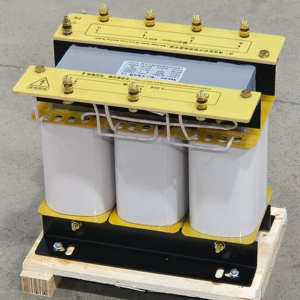
| 3-Phase Industrial Auto Transformer (SBK/10KVA) | 110V / 220V / 380V / 415V | > 98.5% | AN (Air Natural) / Forced Air | Class F / Class H | Imported Machinery, CNC Lines & Voltage Step Up/Down |
| Solar/Wind Inverter Duty Transformer | 0.69kV – 1.1kV / 33kV - 66kV | > 99.1% | ONAN / KNAN (Ester) | Class A / Thermally Upgraded | Renewable Energy Farms & Multi-Winding Inverters |
| Toroidal Universal Isolation Transformer | 12V to 38V Multi-Tap Output | > 96.0% | Dry Air Natural | Class B / Class F | Precision Medical, Audio & Sensitive Electronics |
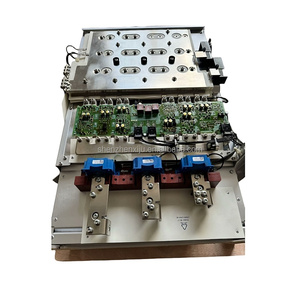
| Industrial Drive Replacement Fan Transformer | Matched to Siemens S120/PX | > 97.5% | Integrated Drive Airflow | Class H High-Temp Insulation | VFD Cooling, Heavy Automation & Drive Cabinets |
4. Global High-Voltage Procurement Trends (2026–2035)
Procurement directors, substation EPC contractors, and electrical plant managers are shifting from short-term CAPEX evaluation to lifetime OPEX and environmental compliance metrics. When sourcing high-voltage equipment from leading Chinese manufacturing hubs, four technological mega-trends dictate modern purchasing strategies:
1. IoT Smart Sensor Integration
Real-time online Dissolved Gas Analysis (DGA), fiber-optic winding temperature sensors, and bushing insulation monitoring units are built directly into tank structures for predictive condition-based maintenance.
2. High Harmonic Tolerances (K-Factor)
With massive growth in non-linear loads (Variable Frequency Drives, LED drivers, solar inverters), procurement specs require K-factor rated windings (K-4 to K-20) to prevent neutral conductor overheating and stray eddy current losses.
3. Modular Compact Footprints
Urban space constraints mandate pre-fabricated, factory-assembled substations (like the YBW IP44 enclosure) combining MV switchgear, transformer core, and LV distribution into a single plug-and-play skid.
5. Enterprise Manufacturing Capability & Quality Assurance Framework
As a global high-voltage transformer manufacturer and premier OEM/ODM exporter, our factory adheres to rigorous quality control workflows certified under ISO 9001:2015, ISO 14001, and ISO 45001 management systems. Every transformer produced undergoes comprehensive routine, type, and special testing prior to dispatch.
In-House Testing Protocol
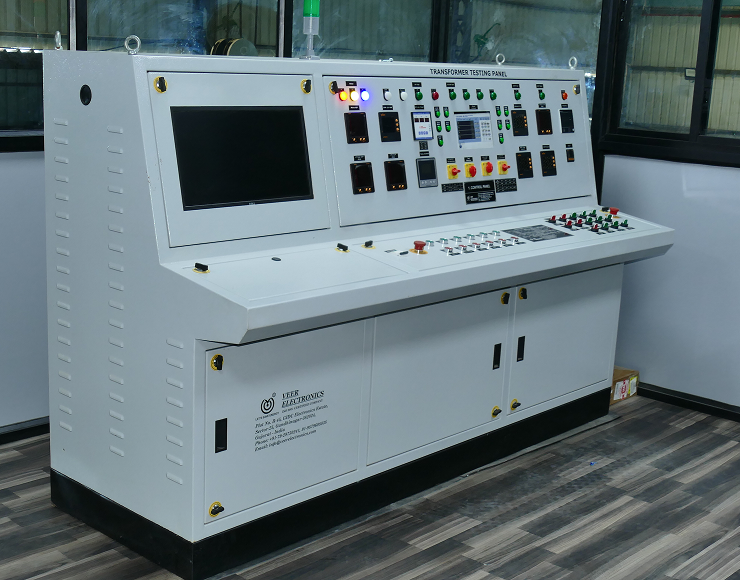
Full spectrum testing including Voltage Ratio & Vector Group Verification, Winding Resistance Testing, Applied Voltage (AV) Withstand, Induced Overvoltage Withstand (IVW), and Lightning Impulse Voltage Withstand (BIL testing up to 350kV).
Custom Engineering & Simulation
Electromagnetic field distribution, short-circuit withstand forces, and thermal fluid dynamics are modeled using advanced 3D FEA (Finite Element Analysis) software prior to core cutting and winding production.
Global Logistics & Packaging
Hermetically sealed oil tanks, nitrogen-purged shipping cushions, and heavy-duty IP54 sea-worthy wooden crating guarantee zero moisture ingress during international maritime transport.
6. Frequently Asked Procurement & Engineering Questions (FAQ)
Partner with China's Premier High-Voltage Engineering Factory
Consult with our senior technical engineering team today to receive customized CAD schematics, lifetime efficiency analysis, and factory-direct price quotations for your power project.