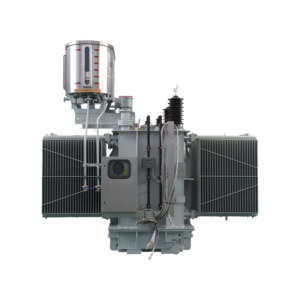
Featured Fleet
Industrial & Utility Transformer Solutions
Explore our custom-engineered transformer lineup manufactured under rigid ISO 9001:2015 and IEC 60076 quality frameworks.
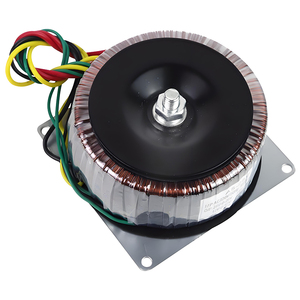
Customizable 300W Toroidal Transformer Universal Isolation Auto Transformer (12V-38V Output)
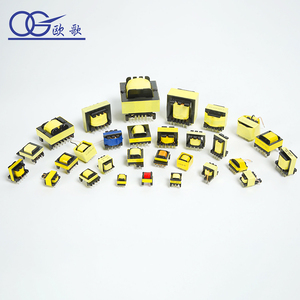
Wholesale Price EF25 Step Down Ferrite Core Transformer for Constant Current LED Drivers
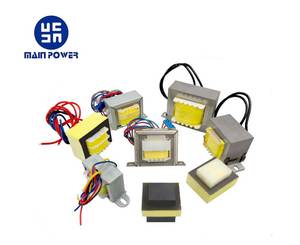
Square 60Hz 220V Industrial Auto Distribution Transformer for Commercial Power Systems
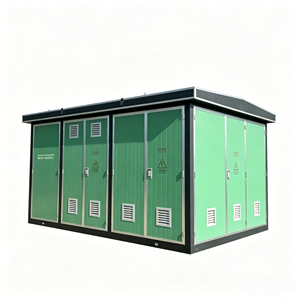
Modular 3-Phase Autotransformer Compact Substation (YBW Model) IP44 High/Low Voltage Protection
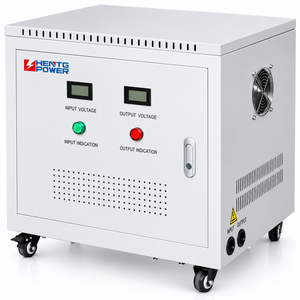
Factory Direct 10KVA 220V to 380V 3-Phase Toroidal Aluminum Winding Step Up/Down Transformer
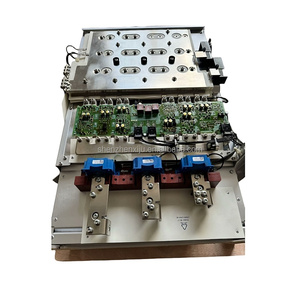
6SL3352-7AE32-1AA1 Industrial S120 MICROMASTER PX Replacement Fan Transformer Unit
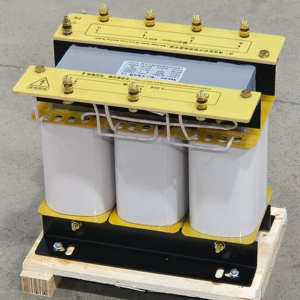
SBK 3-Phase Auto Isolation Transformer 20KVA-150KVA Multi-Voltage Copper/Aluminum Winding
Technical Whitepaper
Engineering Excellence in Hermetically Sealed Transformer Architecture
In modern industrial power distribution, electrical engineers and infrastructure asset managers face a critical operational challenge: preventing dielectric oil degradation caused by atmospheric exposure. Traditional transformer designs equipped with conservator tanks allow ambient air to interact with insulation fluids. Over time, thermal cycling forces moisture ingress and oxygen absorption into the mineral oil, inducing sludging, cellulose insulation paper hydrolysis, and accelerated breakdown voltages.
As China's premier hermetic transformers manufacturer and supplier, our engineering paradigm eliminates the conservator entirely. By completely sealing the oil column inside a flexible, pressure-compensated corrugated tank or nitrogen-cushioned enclosure, our hermetically sealed transformers isolate dielectric media from ambient humidity and oxygen. This design paradigm yields an operational lifespan exceeding 30 to 40 years with virtually zero liquid maintenance.
30+
Years Maintenance-Free
0%
Oxygen Contact Rate
>70 kV
Dielectric Strength
IP65
Enclosure Protection
Elastic Expansion Mechanics of Corrugated Cooling Tanks
The operational core of a hermetically sealed distribution transformer relies on its cooling tank's elastic mechanical behavior. During electrical loading, winding losses (I²R) and magnetic core hysteresis elevate the dielectric oil temperature, causing thermal fluid expansion. In a standard system, excess oil flows upward into an external conservator vessel.
In our advanced hermetic construction, expansion is directly absorbed by deeply pleated, cold-rolled steel corrugated fins. Precision-welded using automated robotic laser plasma systems, these corrugated walls expand and contract elastically under internal pressure fluctuations (typically between -0.3 bar and +0.5 bar). This dynamic structural flexing ensures structural integrity without risking micro-fractures or seal degradation over millions of thermal cycles.
Vacuum Degassing & Filling
Every tank undergoes deep vacuum evacuation (<0.05 mbar) prior to high-speed oil injection, ensuring zero trapped air bubbles or micro-voids in winding paper layers.
Laser-Tested Hermetic Seals
High-grade fluorosilicone and NBR gaskets paired with robotic double-pass perimeter welds pass helium mass spectrometer leak detection down to 1x10⁻6 mbar·l/s.
Harmonic Mitigating Cores
High-permeability, domain-refined Cold Rolled Grain Oriented (CRGO) silicon steel cores reduce no-load losses by up to 25% under non-linear industrial loads.
Market Intelligence
Future Global Procurement Trends in Hermetic Transformers (2026–2035)
Procurement directors and electrical project engineers face evolving regulatory frameworks, carbon-neutrality mandates, and extreme climate installations. Understanding future design vector shifts is critical to making asset investments that prevent premature obsolescence.
1. Bio-Ester & Synthetic Fluid Adoption
Global utilities are rapidly replacing mineral oil with natural/synthetic ester fluids (K-class, fire point >300°C). Ester oils offer 100% biodegradability and extend paper insulation life by absorbing internal moisture.
2. IoT Smart Sensing & Non-Invasive DGA
Modern hermetic units integrate fiber-optic internal temperature sensors and non-invasive Dissolved Gas Analysis (DGA) transducers, enabling real-time cloud condition monitoring without compromising tank vacuum seals.
3. Strict Ultra-Low Loss Standards
Adherence to EU Tier 2 EcoDesign (EN 50588-1), US DOE 2016, and China GB 20052 Grade-1 efficiency standards mandates lower copper losses (Pk) and core losses (Po), driving amorphous alloy and step-lap core adoption.
Engineering Comparison: Hermetically Sealed vs. Traditional Conservator Units
To evaluate Total Cost of Ownership (TCO) over a 30-year lifecycle, electrical procurement engineers must analyze maintenance intervals, fluid breakdown risks, and ambient environmental constraints.
| Design Parameter | Hermetically Sealed Corrugated Tank | Nitrogen-Cushion Sealed Type | Traditional Conservator Type |
|---|---|---|---|
| Oil-Atmosphere Contact | Zero Contact (100% Sealed) | Zero Contact (Gas Barrier) | Direct Contact via Silica Breather |
| Moisture & Oxygen Ingress | Completely Prevented | Prevented | Continuous Ingress Over Time |
| Oil Sludging & Acid Elevation | Negligible over 30 Years | Extremely Low | High (Requires periodic filtration) |
| Routine Fluid Testing Interval | Every 7 to 10 Years | Every 5 Years | Annual / Bi-annual |
| Physical Footprint (Height) | Compact (Low Overhead Height) | Medium | Tall (Requires Conservator clearance) |
| Installation Environment | Indoor, Outdoor, Desert, Coastal (C5-M) | Standard Substation | Controlled Environment Preferred |
| 30-Year TCO Savings | 35% – 50% Lower TCO | 20% – 30% Lower TCO | Baseline Operational Cost |
Why Partner With Us
World-Class China Manufacturing Infrastructure & Quality Control
Operating under parent entity industrial synergies, our state-of-the-art facility in China combines advanced CAD/CAM coil winding, automated vacuum drying, and high-voltage impulse test bays to export transformers across 65+ countries.
Strict International Certifications
Fully certified under ISO 9001:2015, ISO 14001, ISO 45001, CE, BIS (IS 1180), and compliant with IEC 60076, IEEE C57, and ANSI standards.
Comprehensive Factory Routine & Type Testing
100% in-house testing: Winding resistance, voltage ratio, phase displacement, short-circuit impedance, load/no-load loss, induced overvoltage, and separate source AC withstand.
Customized OEM/ODM Engineering
Tailored primary voltages (up to 66kV), secondary step-down requirements, multi-tap off-circuit or on-load tap changers (OLTC), and high-altitude seismic design modifications.
Robust Anti-Corrosion Surface Treatment
Sandblasting to SA 2.5 class followed by multi-layer epoxy zinc-rich primer and polyurethane topcoats engineered for severe marine (C5-M) and industrial atmospheres.
Procurement Guidance
Frequently Asked Questions (FAQ) for B2B Buyers
Technical answers to help engineering consultants, EPC contractors, and procurement managers evaluate hermetic transformer sourcing.
What is the fundamental operational difference between hermetically sealed and conservator transformers?
A traditional conservator transformer allows insulating oil to expand into an overhead tank exposed to ambient air via a silica gel breather. Over time, air exchange introduces humidity and oxygen, causing oil oxidation and paper insulation degradation. A hermetically sealed transformer completely eliminates air contact. Expansion is contained either by dynamic flexing of corrugated tank walls or by a pressurized dry-nitrogen gas cushion, maintaining oil purity and dielectric strength (>70 kV) over decades.
How do corrugated cooling fins absorb oil thermal expansion without rupturing?
Our corrugated tanks are engineered using high-ductility, deep-drawing cold-rolled steel sheets. The pleat depth, pitch, and sheet thickness (1.2mm to 1.5mm) are calculated via Finite Element Analysis (FEA) to ensure dynamic elastic movement. As oil expands under thermal load, the corrugated fins flex outward. During cooling, they return to their neutral geometry. Automated plasma welding and rigorous pressure fatigue testing (cycling between -0.3 bar and +0.5 bar for 10,000+ cycles) ensure the structure withstands internal stress without fatigue cracking.
How does hermetic sealing impact Total Cost of Ownership (TCO) and maintenance budgets?
Hermetic transformers deliver up to a 50% reduction in lifetime operating expenses. Because ambient moisture and oxygen are permanently excluded, insulating oil does not suffer from sludge buildup, oxidation, or dielectric decay. Asset owners eliminate annual silica gel replacement, routine oil filtration, gas sampling, and breather maintenance. The total initial capital expenditure is typically recovered within 3 to 5 years through saved maintenance labor and extended insulation lifespan.
Can your hermetically sealed transformers handle severe harmonics and non-linear loads?
Yes. When specified for solar photovoltaic plants, wind turbine nacelles, Variable Frequency Drives (VFDs), or electric arc furnace feeds, we design transformers with custom K-factor ratings (K-4, K-13, K-20). We incorporate electrostatic shields between primary and secondary windings, utilize transposed copper conductors to minimize stray losses, and size neutral conductors at 200% rating to safely carry triplen harmonics without overheating.
What standard international certifications and factory tests accompany each export order?
Every unit dispatched from our factory is fully compliant with IEC 60076, IEEE C57, and ISO 9001:2015 standards. Before shipment, each transformer undergoes complete routine testing in our accredited high-voltage laboratory: Measurement of winding resistance, Voltage ratio & vector group check, Short-circuit impedance & load loss, No-load loss & current, Separate-source AC withstand voltage, and Induced overvoltage withstand testing. Type test reports (Short-circuit withstand, Temperature rise test) from independent laboratories (such as KEMA or CNAS) are available upon request.
What routine diagnostic inspections are recommended for a sealed hermetic transformer in service?
Because the liquid column is isolated, routine internal maintenance is unnecessary. On-site technicians only need to perform periodic visual inspections of external bushing cleanliness, check the Hermetic Protection Device / Integrated Safety Relay (which monitors tank pressure, oil level, gas accumulation, and temperature), and perform infrared thermal scanning of electrical terminal connections during routine plant maintenance turnarounds.
Require Custom Hermetic Transformer Specifications for Your Project?
Our senior electrical design team provides rapid technical proposals, CAD dimension drawings, and competitive direct-factory pricing within 24 hours.
Send an Inquiry