Transformer Technical Blog & Knowledge
Explore in-depth technical guides, power grid insights, and industrial transformer innovations.
Industry Updates & Electrical Solutions
Stay informed on power, distribution, dry-type, and renewable duty transformer technology.
Expertise Driven Electrical Engineering
Professional insights from Gujarat's premier power transformer manufacturing leaders.
10 Best Isolation Transformers for Industrial Use
Table of Contents
- What an Industrial Isolation Transformer Is and How It Works
- Key Specifications for Selecting an Industrial Isolation Transformer
- Comparison of the 10 Best Industrial Isolation Transformer Types
- Industrial Applications, Safety Features, and Installation Requirements
- Maintenance Practices and Long-Term Performance Considerations
- FAQS
- Conclusion
- Related Posts
Industrial electrical systems rarely fail in dramatic ways. More often, a small insulation defect, a noisy motor, or an unexpected ground path creates a serious maintenance problem. Isolation Transformers help reduce these risks by separating a load from the supply and limiting unwanted electrical coupling. Their value becomes clearer beside a control cabinet, a medical workstation, or a machine exposed to dust, vibration, and switching noise.
Electrical safety educator Mike Holt often says, “Safety is not expensive, it’s priceless.” That principle fits transformer selection well. A suitable unit must match the application, not merely the voltage label. Engineers should examine kVA capacity, primary and secondary voltage, shielding, insulation class, enclosure rating, thermal performance, and grounding arrangements. Installation quality matters just as much. A well-designed transformer can still perform poorly when ventilation is blocked or connections are loose.
This guide, “10 Best Isolation Transformers for Industrial Use,” evaluates practical options for demanding facilities. It considers reliability, protection features, efficiency, serviceability, and suitability for continuous operation. Some models may appear impressive on paper but feel less convincing under real factory conditions. That is worth acknowledging. Product specifications cannot fully predict noise, heat, or maintenance experience.
The strongest choice depends on the load and environment. A compact unit may suit sensitive instrumentation, while a rugged enclosed model may better protect a production line. Careful comparison can prevent costly downtime and unsafe improvisation. These recommendations are intended to support informed engineering judgment, not replace site-specific electrical assessment.
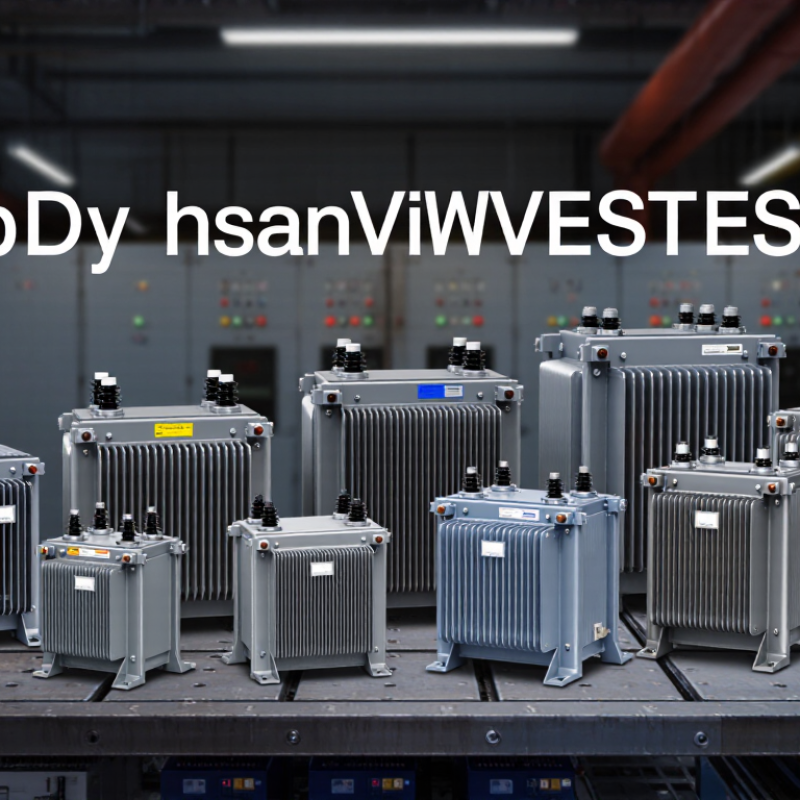
What an Industrial Isolation Transformer Is and How It Works
10 Best Isolation Transformers for Industrial Use
What an Industrial Isolation Transformer Is and How It Works
An industrial isolation transformer transfers electrical energy without a direct conductive connection. Its primary and secondary windings remain electrically separate. Energy crosses through a changing magnetic field inside the core.
That separation reduces unwanted current paths between equipment and the supply system. It can also limit noise caused by variable-speed drives, motors, and switching devices. However, isolation does not automatically remove every shock hazard. Proper grounding, enclosure design, and protective devices still matter.
In a factory, a transformer may supply a control cabinet, testing station, or maintenance outlet. For example, a 480-volt primary can feed a 120-volt secondary for service equipment. The turns ratio controls this voltage change. Core material, winding arrangement, shielding, and insulation affect performance. Inrush current also matters. A transformer that looks correctly rated may still trip protection during startup.
Engineers usually check load capacity, duty cycle, temperature rise, short-circuit strength, and installation conditions. They also inspect terminal markings and verify insulation resistance before energizing equipment. Measurements should follow the applicable electrical standards and the manufacturer’s instructions. Field experience shows that overheating often begins with loose connections or poor ventilation, not transformer failure. That detail is easy to miss.
A single transformer type rarely suits every industrial application. Control systems may need low noise, while motor circuits demand stronger mechanical construction. Dry-type units often simplify indoor installation, but their cooling space must remain clear. Oil-filled designs can offer different thermal behavior and require stricter site controls. Selection needs more than comparing catalog voltage and wattage.
Key Specifications for Selecting an Industrial Isolation Transformer
10 Best Isolation Transformers for Industrial Use
Key Specifications for Selecting an Industrial Isolation Transformer
Selecting an industrial isolation transformer begins with the load, not the catalog ranking. Confirm the equipment’s voltage, phase, frequency, and required kVA. A higher kVA rating is not automatically safer. Oversizing can increase inrush current, cost, and physical space.
Check voltage regulation, impedance, insulation class, and temperature rise. Sensitive control systems may need tighter regulation than heating equipment. Review the transformer’s short-circuit withstand rating and expected fault levels. Harmonic-producing loads can create extra heat, so the design should account for variable-speed drives and rectifiers. Enclosure protection also matters. Dusty floors, washdown areas, and outdoor cabinets require different protection levels. Noise can become a serious issue near operators, even when electrical performance is acceptable.
Tips: Measure the real operating load during peak production. Do not rely only on the nameplate. Allow space for ventilation and cable bending. Verify grounding, shielding, and neutral arrangements with a qualified engineer. Check altitude and ambient temperature before final approval. I would also compare test reports, efficiency data, and installation instructions rather than trusting a single specification sheet. Some selections look correct on paper but perform poorly after startup. That gap deserves careful review.
| Configuration | Rated Power | Primary Voltage | Secondary Voltage | Phase | Frequency | Isolation Type | Voltage Regulation | Impedance | Insulation Class | Temperature Rise | Enclosure Rating | Typical Application |
|---|---|---|---|---|---|---|---|---|---|---|---|---|
| Industrial Isolation Transformer 1 | 1 kVA | 230 V | 230 V | Single-phase | 50/60 Hz | 1:1 galvanic isolation | ≤ 3.5% | 4% typical | Class F, 155°C | 80 K | IP20 indoor | Control panels, test instruments, and sensitive electronic equipment |
| Industrial Isolation Transformer 2 | 2.5 kVA | 400 V | 230 V | Single-phase | 50/60 Hz | Step-down isolation | ≤ 3.0% | 4% typical | Class F, 155°C | 80 K | IP23 indoor | Machine control circuits and maintenance workshops |
| Industrial Isolation Transformer 3 | 5 kVA | 480 V | 480 V | Single-phase | 60 Hz | 1:1 galvanic isolation | ≤ 2.5% | 5% typical | Class H, 180°C | 80 K | IP23 indoor | Industrial automation, PLC systems, and motor-control equipment |
| Industrial Isolation Transformer 4 | 10 kVA | 400 V | 400 V | Three-phase | 50 Hz | Delta-to-wye isolation | ≤ 2.5% | 5% typical | Class F, 155°C | 80 K | IP23 indoor | Production lines, control cabinets, and industrial drives |
| Industrial Isolation Transformer 5 | 15 kVA | 480 V | 208Y/120 V | Three-phase | 60 Hz | Delta-to-wye isolation | ≤ 2.0% | 5% typical | Class H, 180°C | 80 K | IP23 indoor | Industrial lighting, receptacles, and balanced low-voltage loads |
| Industrial Isolation Transformer 6 | 25 kVA | 600 V | 480 V | Three-phase | 50/60 Hz | Step-down isolation | ≤ 2.0% | 5.75% typical | Class H, 180°C | 80 K | IP23 indoor | Heavy machinery, process equipment, and distribution panels |
| Industrial Isolation Transformer 7 | 30 kVA | 480 V | 480Y/277 V | Three-phase | 60 Hz | Delta-to-wye isolation | ≤ 2.0% | 5.75% typical | Class H, 180°C | 80 K | IP23 indoor | Industrial facilities, HVAC systems, and distributed power |
| Industrial Isolation Transformer 8 | 50 kVA | 400 V | 400Y/230 V | Three-phase | 50 Hz | Delta-to-wye isolation | ≤ 1.8% | 6% typical | Class H, 180°C | 80 K | IP31 indoor | Manufacturing plants, robotics, and process-control systems |
| Industrial Isolation Transformer 9 | 75 kVA | 480 V | 480Y/277 V | Three-phase | 60 Hz | Delta-to-wye isolation | ≤ 1.8% | 6% typical | Class H, 180°C | 80 K | IP31 indoor | Data-processing areas, automated production cells, and plant distribution |
| Industrial Isolation Transformer 10 | 100 kVA | 600 V | 480Y/277 V | Three-phase | 50/60 Hz | Delta-to-wye isolation | ≤ 1.5% | 6% typical | Class H, 180°C | 80 K | IP31 indoor | Large industrial distribution systems and continuous-process facilities |
Comparison of the 10 Best Industrial Isolation Transformer Types
Industrial isolation transformers differ in construction, load behavior, and maintenance needs. Single-phase dry-type units suit small control panels and machine tools. Three-phase dry-type units serve motors, automation lines, and balanced plant loads. Oil-immersed transformers handle higher ratings and outdoor installation, but require fluid inspections and fire planning. Electrostatic-shielded transformers reduce capacitive noise between windings. This matters near variable-speed drives and sensitive measurement equipment.
Ferroresonant transformers provide isolation and voltage regulation during unstable supply conditions. Harmonic-mitigating transformers reduce certain triplen harmonics from nonlinear loads, although they cannot correct every power-quality problem.
Control transformers deliver stable, isolated power to contactors, relays, and PLC circuits. Rectifier transformers feed diode or thyristor systems, where heat and waveform distortion need careful review.
Toroidal transformers offer compact size and low stray magnetic fields, but their inrush current can surprise an undersized breaker.
High-frequency isolation transformers support switched-mode converters and industrial power electronics. They are efficient, yet insulation layout and creepage distances demand specialist verification.
Selection should compare rated voltage, kVA, frequency, impedance, temperature rise, enclosure rating, and short-circuit performance.
Inspectors should confirm insulation resistance, winding ratio, protective bonding, and thermal behavior before commissioning. Small oversights matter.
No single type wins every test. A dry unit may simplify maintenance, while an oil-filled unit may better suit a remote high-load substation. Real installations often expose assumptions that calculations miss. Load growth, dust, humidity, and repeated motor starts deserve honest review. Reliable projects document these limits instead of hiding them.
Industrial Applications, Safety Features, and Installation Requirements
Industrial isolation transformers support sensitive machinery, control panels, testing benches, and maintenance areas. They separate the load circuit from the supply, reducing some shock and noise risks. Selection depends on load capacity, voltage, frequency, duty cycle, and expected inrush current. A transformer sized only for normal running power may fail during motor startup.
Safety features deserve close attention. Look for thermal protection, enclosed terminals, clear labeling, and suitable insulation. A grounded metal enclosure helps control fault energy, but isolation does not replace protective grounding. Install the unit in a dry, ventilated location with enough clearance for cooling and inspection. Cable entries should resist dust, oil, and accidental strain. Qualified electrical personnel should confirm polarity, insulation resistance, earth continuity, and output voltage before energizing equipment.
Tips: Measure the real load, not an optimistic estimate. Leave service space around the enclosure. I have seen neat installations overheat because airflow was blocked. Recheck terminal torque after initial operation, especially where vibration is present. Keep primary and secondary wiring physically separated. Mark both circuits clearly. One overlooked label can delay emergency maintenance. Review the installation against local electrical requirements and the transformer’s technical instructions. A second inspection is worthwhile, even when the first test appears normal.
10 Best Isolation Transformer Configurations for Industrial Use
The chart compares representative nominal capacities commonly selected for industrial applications. Actual sizing depends on connected load, motor-starting current, duty cycle, short-circuit requirements, ambient temperature, and applicable electrical codes.
Maintenance Practices and Long-Term Performance Considerations
10 Best Isolation Transformers for Industrial Use
Choosing among the ten best isolation transformers requires more than checking rated capacity. Maintenance records often reveal the stronger long-term performer. Inspect the enclosure monthly for dust, moisture, corrosion, and loose cable glands. Dust buildup restricts cooling. That raises winding temperature.
Use an infrared camera during normal operation. Compare terminal temperatures across phases and record unusual changes. A qualified technician should torque connections according to the manufacturer’s instructions. Over-tightening can damage terminals. Under-tightening creates heat and arcing risks.
Check insulation resistance during planned shutdowns, using suitable test voltage and documented procedures. Never test energized equipment.
Listen for new buzzing, rattling, or mechanical vibration. These sounds may indicate loose laminations, mounting problems, or abnormal loading. Measure input and output voltage under typical production conditions. An unloaded test can hide practical faults.
Keep ventilation openings clear, especially in dusty workshops. In humid areas, inspect heaters, seals, and condensation marks more often.
Create a service log with temperatures, loads, test results, and corrective actions. Trends matter more than isolated readings. Replace damaged insulation immediately. Do not rely on visual checks alone. That is an easy mistake.
Review the transformer’s loading pattern each year, because production changes can produce sustained overloads. A slightly oversized unit may offer better thermal stability, although purchase cost and idle losses still require careful evaluation.
Maintenance teams should also verify grounding continuity and protective-device coordination after modifications. Old assumptions can survive too long.
FAQS
Confirm voltage, phase, frequency, kVA, duty cycle, and expected inrush current. Measure the real peak load. Do not rely only on the nameplate.
No. Oversizing can increase cost, space requirements, and inrush current. A correctly matched rating is usually more practical. Bigger is not automatically better.
A single-phase dry-type transformer often fits small control panels and machine tools. It usually simplifies maintenance. Still, verify heat and ventilation conditions.
Three-phase units suit motors, automation lines, and balanced plant loads. Check motor starting current carefully. Normal running power may hide startup stress.
Dusty floors, washdown areas, and outdoor cabinets need suitable enclosure protection. Allow clear space around the unit for cooling and inspection. Blocked airflow can cause overheating.
Qualified electrical personnel should verify polarity, insulation resistance, earth continuity, and output voltage. Check terminal torque and protective bonding. Labels matter.
Electrostatic shielding can reduce capacitive noise between windings. Tighter voltage regulation may help control systems and measurement equipment. It will not solve every power-quality problem.
Variable-speed drives and rectifiers can create extra heat and waveform distortion. Review harmonic behavior, temperature rise, and short-circuit performance. Small oversights matter.
Separate primary and secondary wiring physically. Provide room for cable bending and future inspection. Recheck connections after vibration begins. Some assumptions fail after startup.
Conclusion
This guide explores the 10 best isolation transformers for industrial use, explaining how Isolation Transformers separate primary and secondary circuits to improve electrical safety, reduce unwanted noise, and help protect sensitive equipment. It covers essential selection criteria, including power rating, voltage ratio, frequency compatibility, insulation class, efficiency, temperature tolerance, enclosure design, and fault protection. A practical comparison of ten common industrial transformer types highlights their strengths, limitations, and suitability for different operating environments.
The article also examines industrial applications in automation, manufacturing, medical facilities, testing systems, and control panels, along with key safety features and installation requirements. Proper grounding, ventilation, overload protection, and professional installation are emphasized to support reliable operation. Finally, it outlines maintenance practices such as inspections, thermal monitoring, connection checks, cleaning, and insulation testing, helping users extend service life, maintain stable performance, and identify potential problems before they cause costly interruptions.

Blog Tags: